



Master Backtracking: From Basics to Advanced for SDEs
1st Nov, Sat
06:25 PM - 12:53 PM
2250 registered
ISO-certified
AI Powered

Join our Advanced Penetration Testing Expert course to become a leader in cybersecurity! This comprehensive program is tailored for aspiring ethical hackers and IT professionals aiming to master the skills needed to protect digital infrastructures against rising cyber threats

150k+ Placemenets to Date

600+ Hiring Partners

76 Lakhs Highest Annual

Next Batch starts in November


This extensive course consists of 75–80 hours of comprehensive learning delivered through 72+ live technical sessions and 8 value-added sessions. The curriculum covers topics from networking fundamentals to advanced penetration techniques, delivered through practical labs and hands-on exercises for real-world readiness.
 Duration: 75–80 hours total learning time Format: Online with interactive live sessions Sessions: 72+ technical sessions + 8 value-added sessions Learning Method: Practical labs and hands-on experience Coverage: Networking fundamentals to advanced penetration testing Aspiring cybersecurity professionals IT experts looking to specialize in penetration testing Students pursuing technical degrees (B.Tech, BCA, MCA) Developers interested in enhancing application security Business owners wanting to secure digital assets Individuals passionate about ethical hacking and cybersecurity Master ethical hacking tools and methodologies Identify and exploit vulnerabilities in systems Automate tasks using scripting (e.g., Bash) Conduct thorough vulnerability assessments Understand legal & ethical aspects of penetration testing Apply advanced penetration testing techniques in real-world scenarios
Our curriculum is meticulously designed to provide a robust exploration of penetration testing and cybersecurity essentials. You will engage in both theoretical concepts and practical skill development to navigate the complexities of the cybersecurity landscape effectively.






Master Real-World Cybersecurity Through Hands-On Projects
Participate in practical projects that simulate actual cybersecurity scenarios, allowing you to apply your knowledge and demonstrate your mastery of penetration testing in real-world settings.
Skills: Python Programming, Nmap, Socket Programming, Network Security, AutomationTools: Python, Nmap, Socket Library, JSON/CSV (for reporting) Description: In this project, you will build a Network Vulnerability Scanner to proactively detect security weaknesses in a network. You’ll write Python scripts to scan hosts for open ports, running services, and potential vulnerabilities.…
Skills: Web Security, OWASP Top 10, SQL Injection, XSS, Python Requests, Burp SuiteTools: Burp Suite, OWASP ZAP, Python, Requests Library, Chrome DevTools Description:Web applications are frequent targets for cyberattacks. In this project, you’ll create a Penetration Testing Toolkit that identifies and exploits common vulnerabilities such as SQL Injection, Cross-Site Scripting…
Skills: Malware Analysis, Python Programming, Hashing (MD5/SHA), Sandbox Testing, File SecurityTools: Python, Virtual Sandbox, VirusTotal API, Hash Libraries Description:Malware is a critical threat in cybersecurity, and understanding its behavior is essential. In this project, you will develop a Malware Detection & Analysis System that inspects suspicious files, calculates hashes (MD5/SHA),…
NeuraBot is an AI-powered chatbot and recommendation system designed to automate customer support and enhance user engagement for businesses. Built on the MERN stack, it leverages React.js for an intuitive front-end, Node.js and Express.js for API handling, and MongoDB for data storage. The chatbot integrates with OpenAI's API for intelligent…
A hands-on cybersecurity project that identifies and exploits vulnerabilities in simulated environments using professional tools. It covers all stages of ethical hacking — reconnaissance, exploitation, and reporting — ensuring realistic practice of security assessment. Built with Python automation and Linux utilities, it enhances expertise in penetration testing and network defense, preparing learners for globally recognized certifications.

Professionals Trained
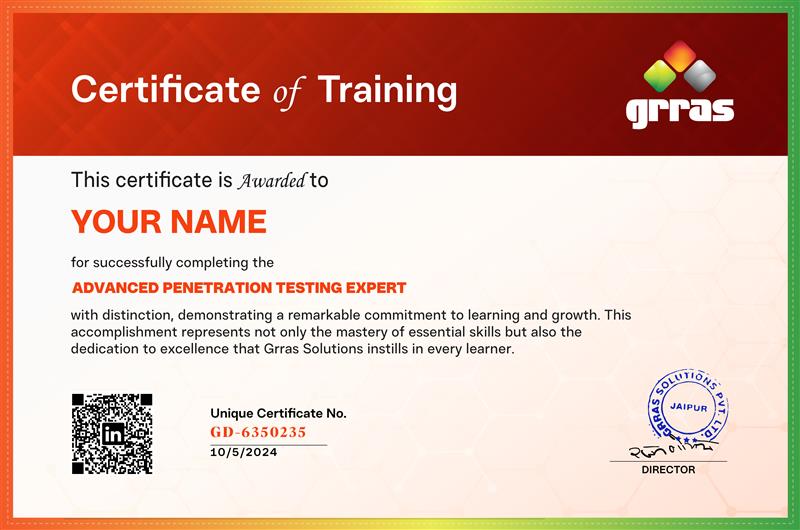
Our curriculum is meticulously designed to provide a robust exploration of penetration testing and cybersecurity essentials. You will engage in both theoretical concepts and practical skill development to navigate the complexities of the cybersecurity landscape effectively.
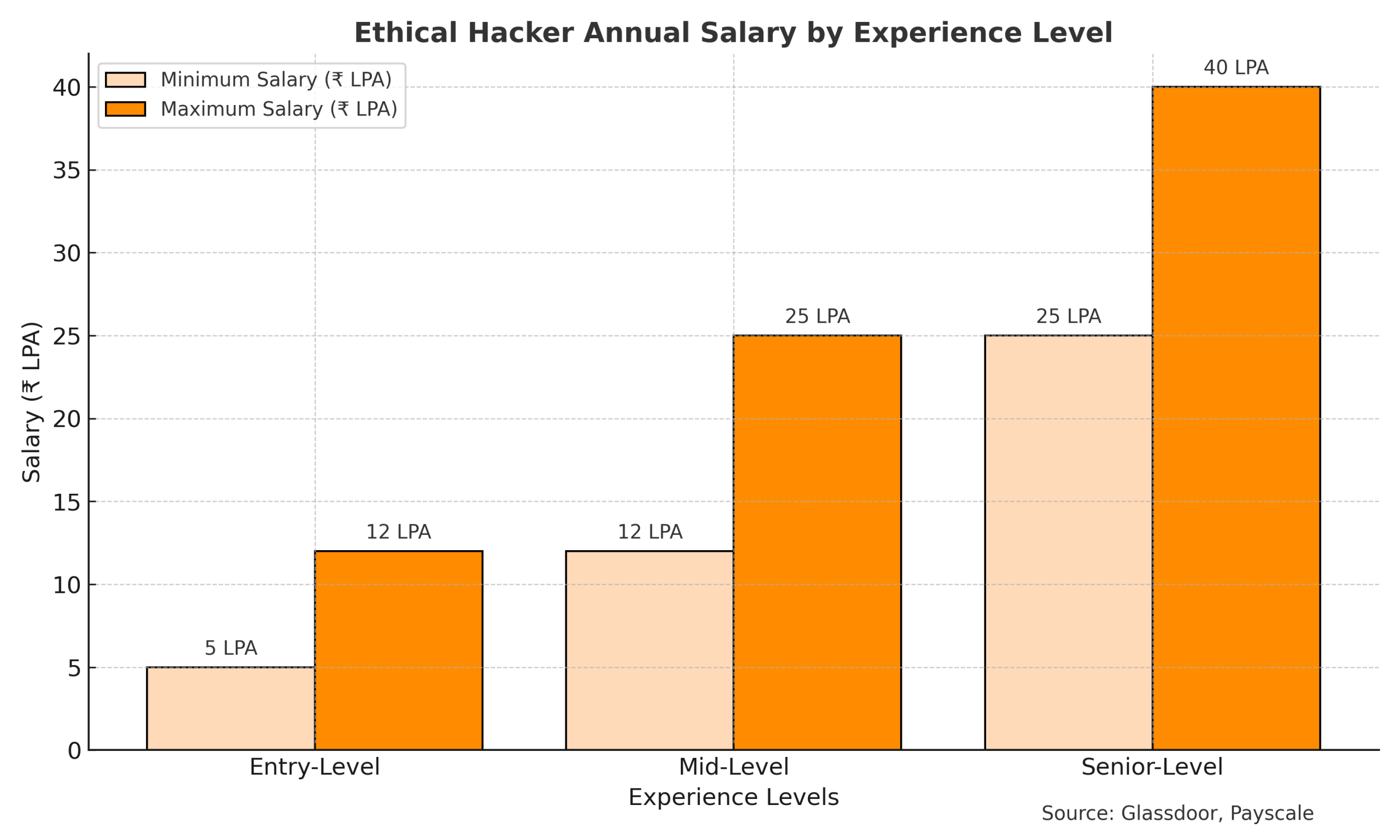
₹5–12 LPA (Entry-Level), ₹12–25 LPA (Mid-Level), ₹25+ LPA (Senior-Level)

Ethical Hackers identify vulnerabilities in systems, networks, and applications by simulating cyberattacks to enhance security.
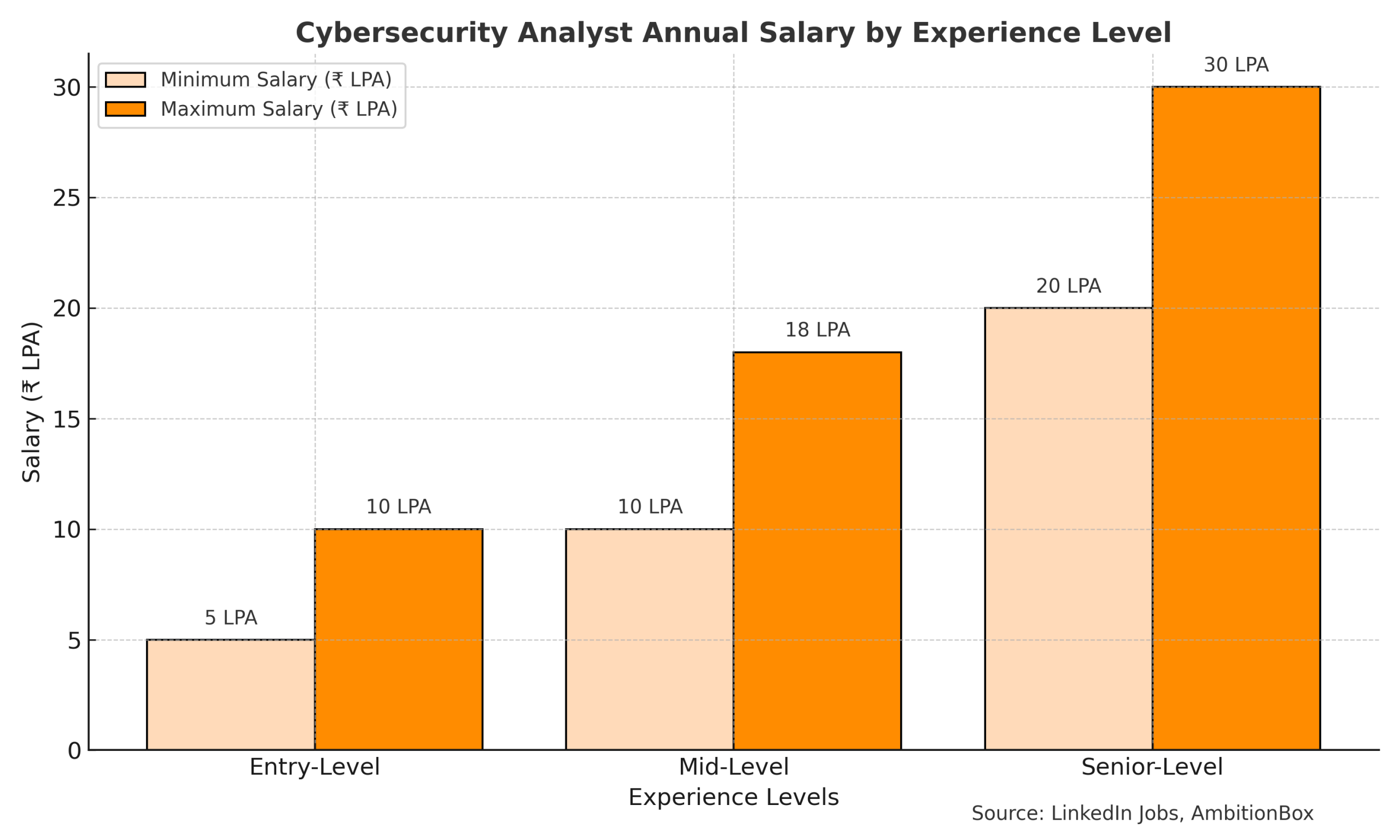 ₹5–10 LPA (Entry-Level), ₹10–18 LPA (Mid-Level), ₹20+ LPA (Senior-Level)

Cybersecurity Analysts monitor and secure systems against cyber threats, ensuring robust defenses using ethical hacking techniques.
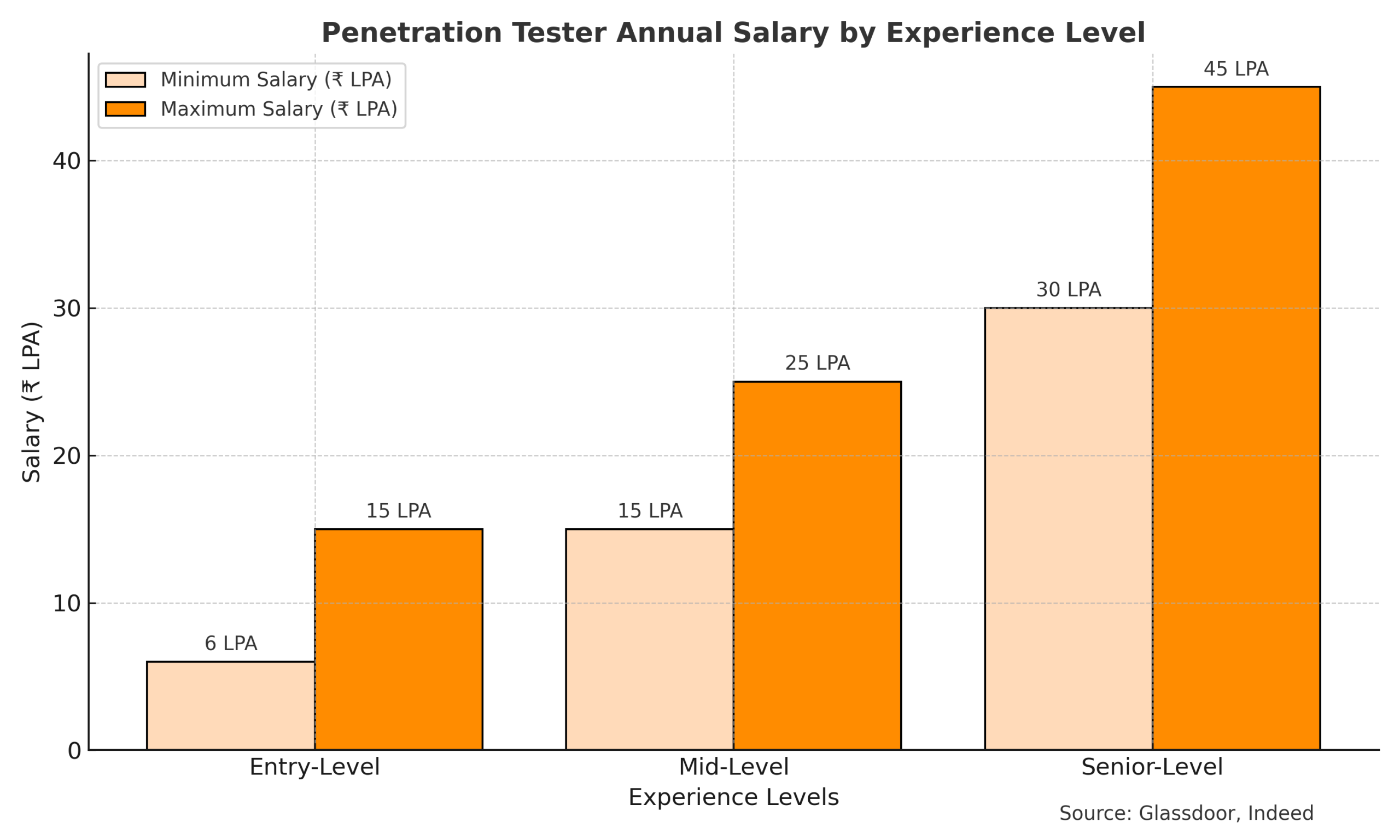
₹6–15 LPA (Entry-Level), ₹15–25 LPA (Mid-Level), ₹30+ LPA (Senior-Level)

Penetration Testers simulate cyberattacks on systems to uncover vulnerabilities, ensuring data and network security.
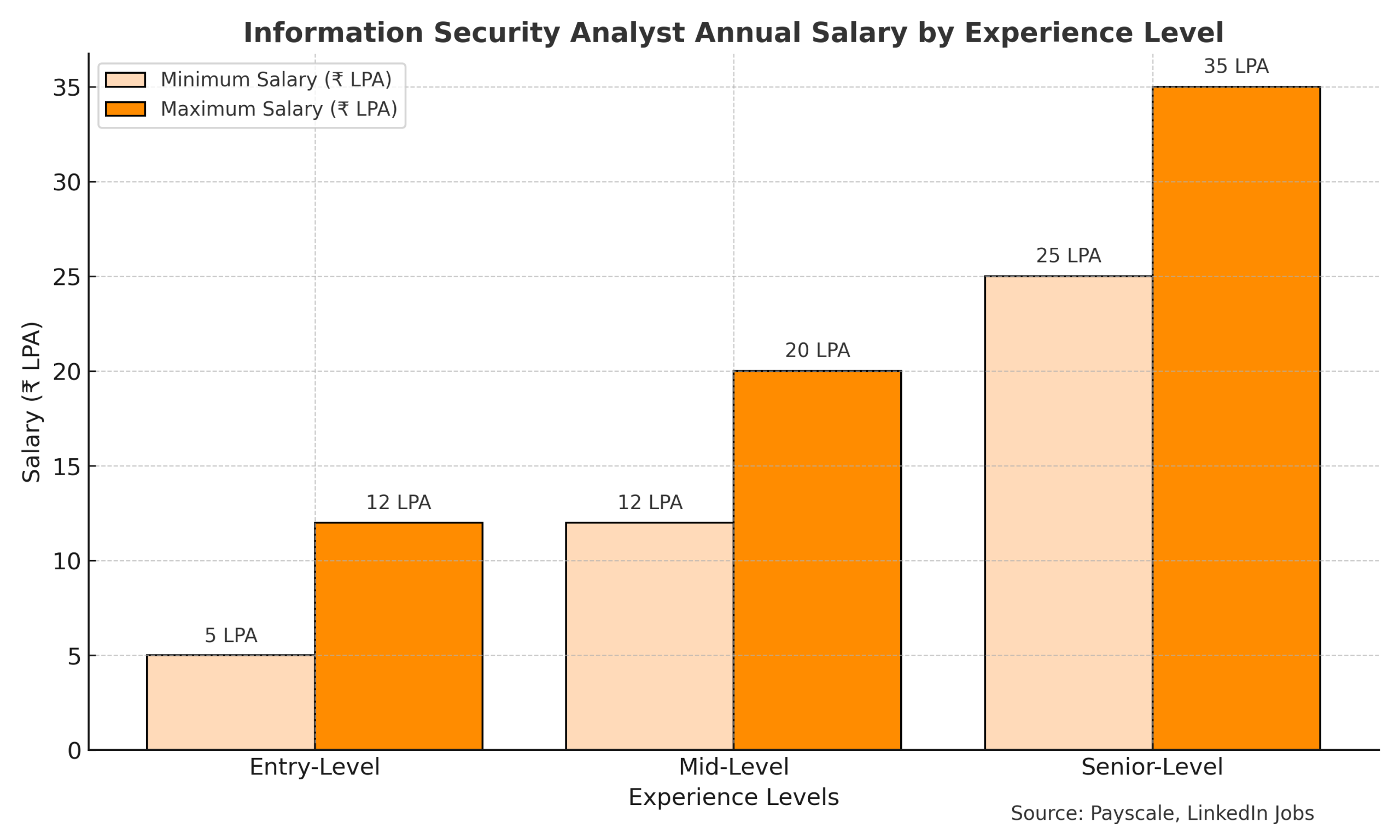
₹5–12 LPA (Entry-Level), ₹12–20 LPA (Mid-Level), ₹25+ LPA (Senior-Level)

Information Security Analysts protect sensitive data and systems by identifying risks and implementing security measures.
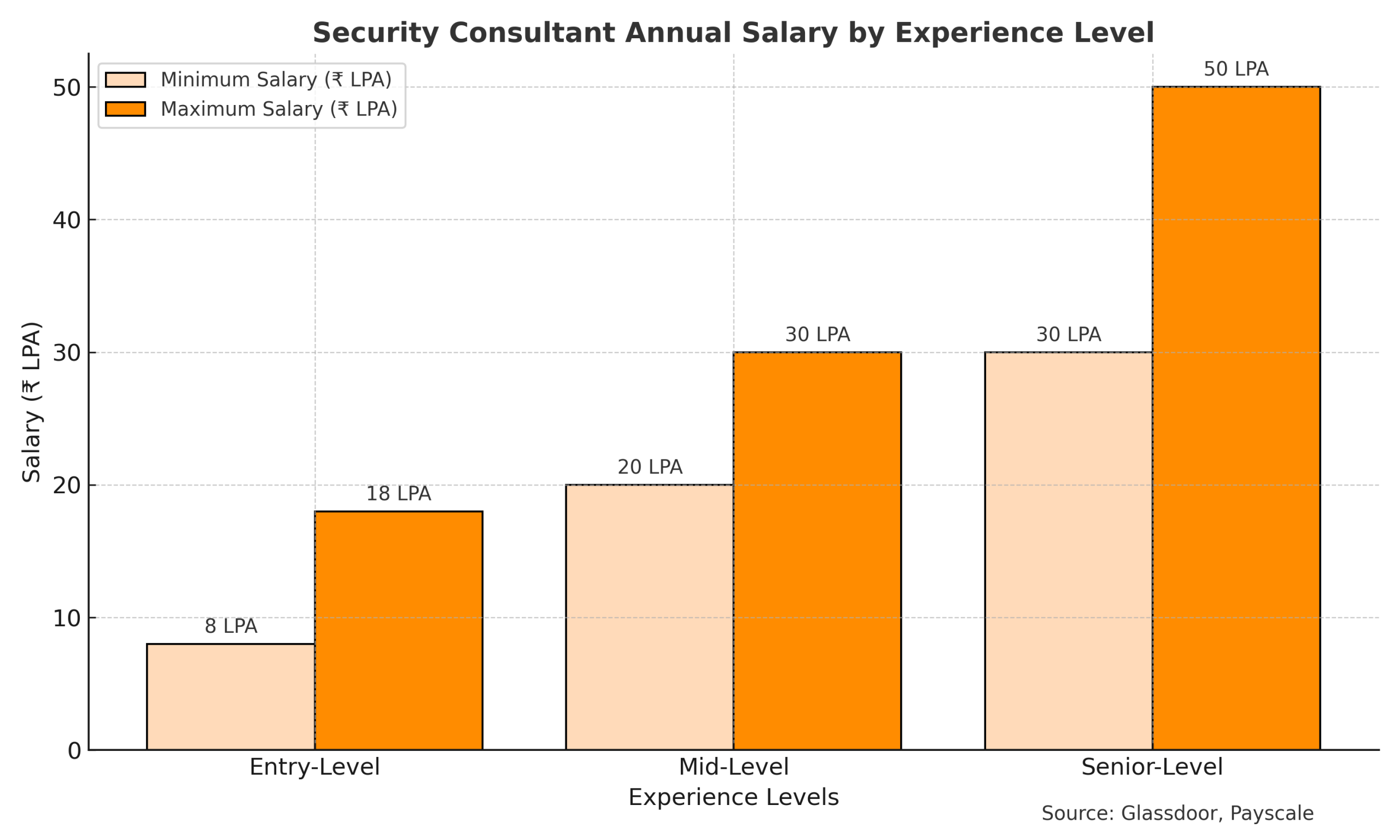
₹8–18 LPA (Entry-Level), ₹20–30+ LPA (Mid-Level), ₹30+ LPA (Senior-Level)

Security Consultants provide expert advice on securing systems and networks, helping organizations implement best practices.
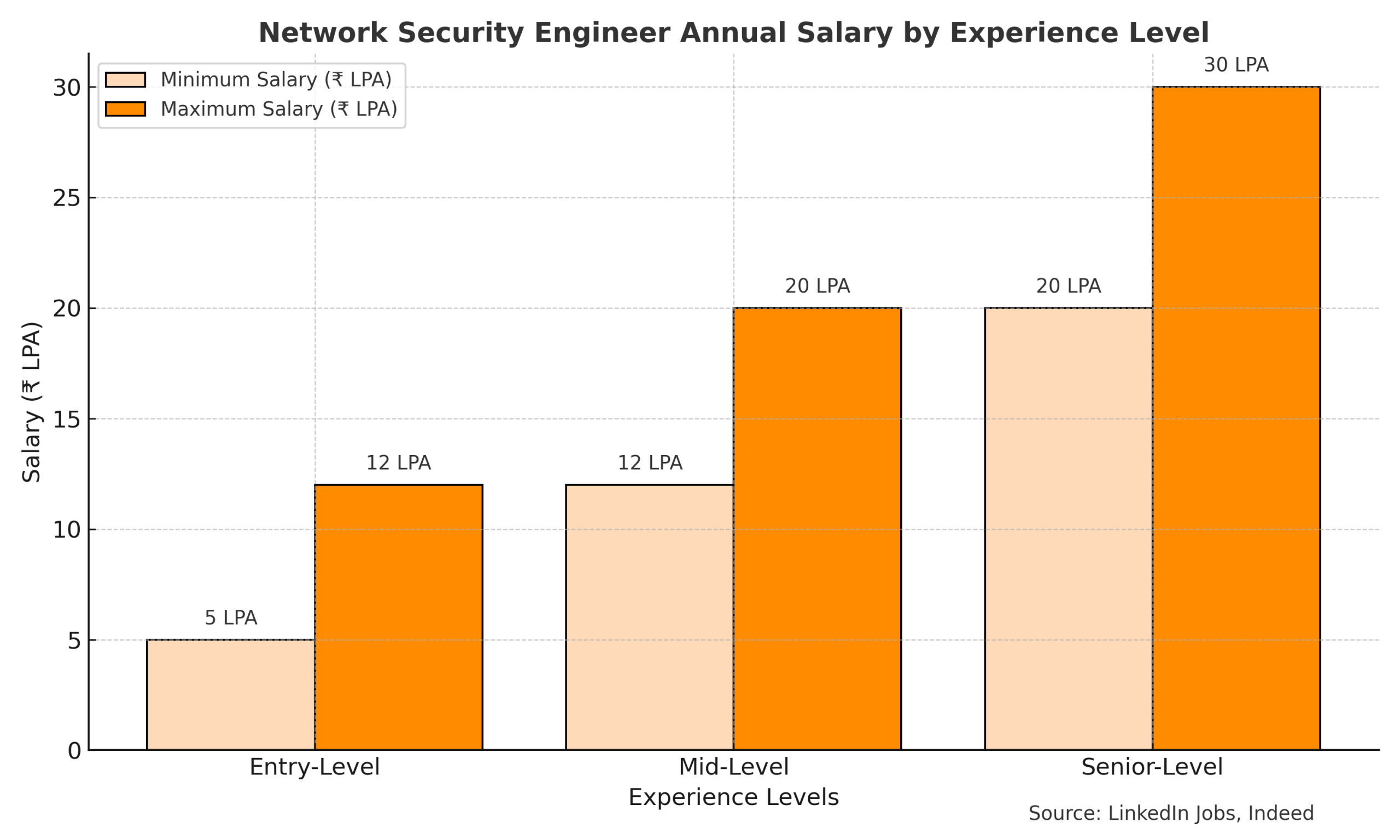
₹5–12 LPA (Entry-Level), ₹12–20 LPA (Mid-Level), ₹20–30 LPA (Senior-Level)

Network Security Engineers secure and maintain the integrity of network infrastructure, ensuring data protection against cyber threats.
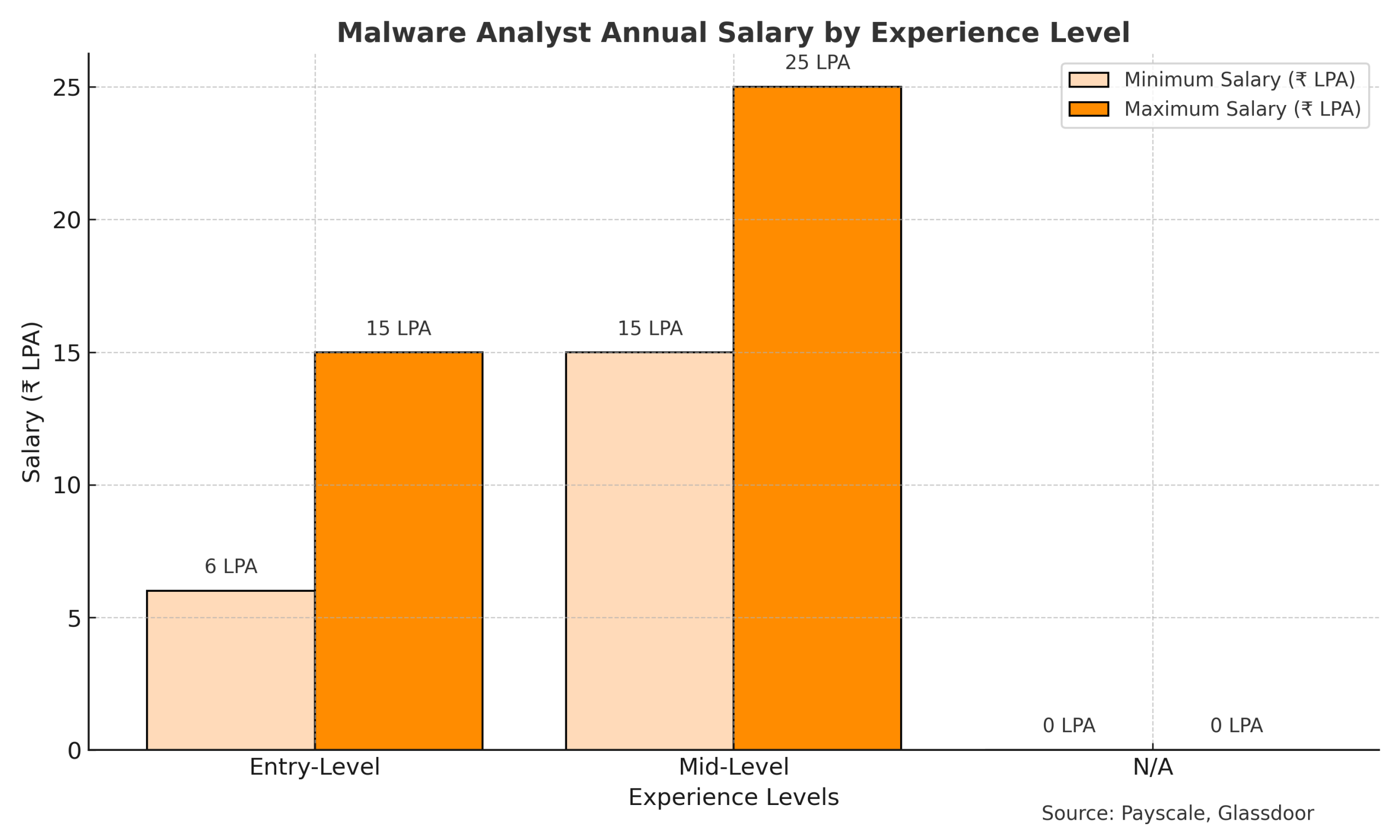
₹6–15 LPA (Entry-Level), ₹15–25 LPA (Mid-Level)

Malware Analysts identify, study, and neutralize malicious software to protect systems from cyberattacks.
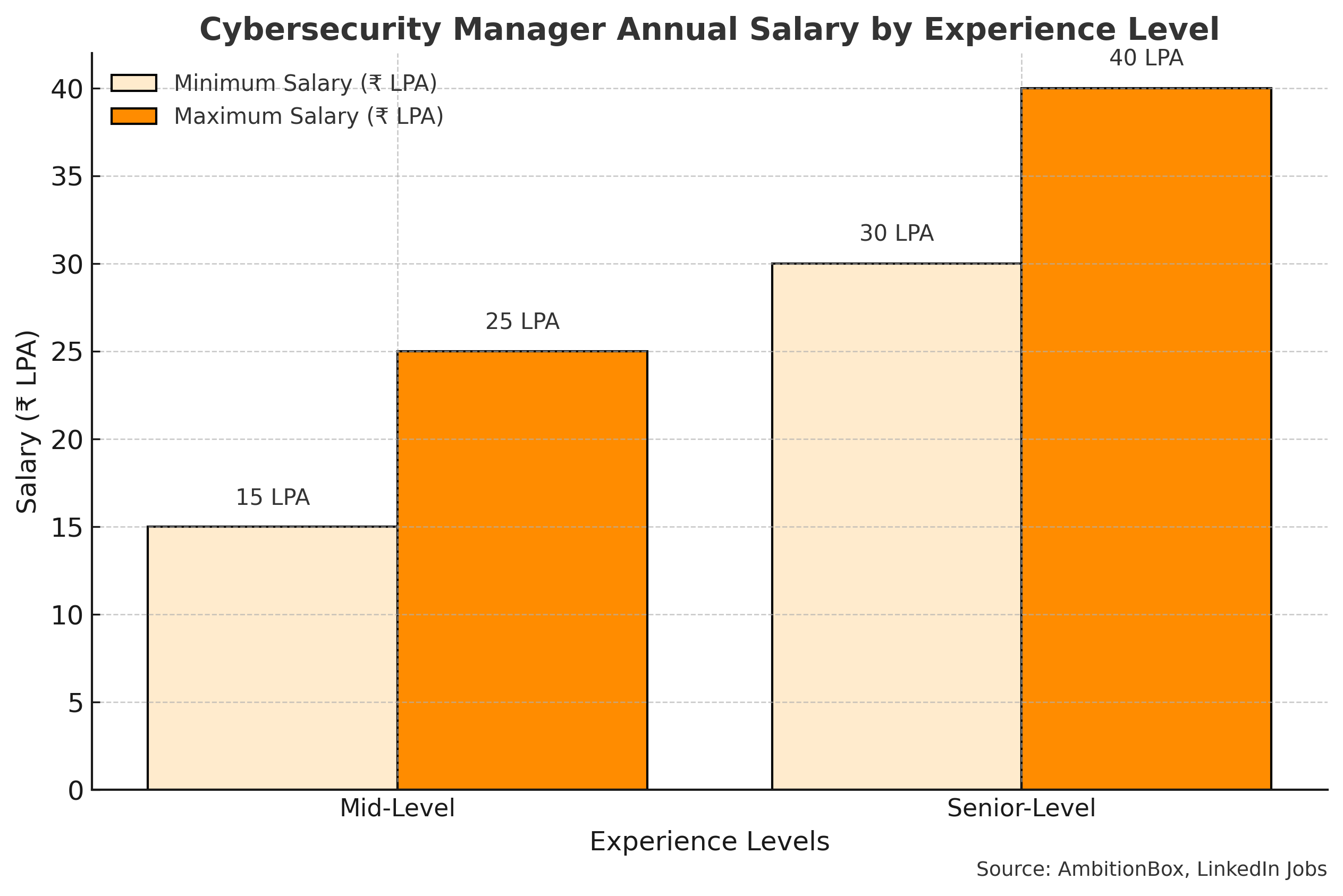
₹15–25 LPA (Mid-Level), ₹30–40+ LPA (Senior-Level)
Cybersecurity Managers oversee security teams, implement security strategies, and manage risk assessment and mitigation plans.
Our curriculum is meticulously designed to provide a robust exploration of penetration testing and cybersecurity essentials. You will engage in both theoretical concepts and practical skill development to navigate the complexities of the cybersecurity landscape effectively.
₹5–12 LPA (Entry-Level), ₹12–25 LPA (Mid-Level), ₹25+ LPA (Senior-Level)
Ethical Hackers identify vulnerabilities in systems, networks, and applications by simulating cyberattacks to enhance security.
₹5–10 LPA (Entry-Level), ₹10–18 LPA (Mid-Level), ₹20+ LPA (Senior-Level)
Cybersecurity Analysts monitor and secure systems against cyber threats, ensuring robust defenses using ethical hacking techniques.
₹6–15 LPA (Entry-Level), ₹15–25 LPA (Mid-Level), ₹30+ LPA (Senior-Level)
Penetration Testers simulate cyberattacks on systems to uncover vulnerabilities, ensuring data and network security.
₹5–12 LPA (Entry-Level), ₹12–20 LPA (Mid-Level), ₹25+ LPA (Senior-Level)
Information Security Analysts protect sensitive data and systems by identifying risks and implementing security measures.
₹8–18 LPA (Entry-Level), ₹20–30+ LPA (Mid-Level), ₹30+ LPA (Senior-Level)
Security Consultants provide expert advice on securing systems and networks, helping organizations implement best practices.
₹5–12 LPA (Entry-Level), ₹12–20 LPA (Mid-Level), ₹20–30 LPA (Senior-Level)
Network Security Engineers secure and maintain the integrity of network infrastructure, ensuring data protection against cyber threats.
₹6–15 LPA (Entry-Level), ₹15–25 LPA (Mid-Level)
Malware Analysts identify, study, and neutralize malicious software to protect systems from cyberattacks.
₹15–25 LPA (Mid-Level), ₹30–40+ LPA (Senior-Level)
Cybersecurity Managers oversee security teams, implement security strategies, and manage risk assessment and mitigation plans.
Navigate your professional journey with a comprehensive guide that transforms learning into opportunity. Discover proven strategies to build skills, gain experience, and secure your ideal position in today’s competitive job market.
 Building Strong Foundation
Focus on industry-relevant skills

Real-world projects to implement learned concepts.

Weekly tests to assess progress

 Sharpening Interview Readiness
Mock sessions with real-time feedback from experts

Host industry experts for advanced technical guidance

Focus on problem-solving, critical thinking, and domain expertise

 Communication & Aptitude Skill Development
Through interactive classes, students enhance both verbal and non-verbal communication, while also learning to present their ideas clearly, confidently, and effectively.

Enhances students' problem-solving, analytical thinking, and numerical ability-preparing them for competitive exams and placement tests.
 Resume building masterclasses
Help students structure professional, impactful resumes

 Bridging the Gap
* Partner with top companies for hiring pipelines * Conduct webinars and sessions with recruiters
* Connect candidates to aligned opportunities * Organize hiring events and recruitment drives
 Advance interview boot camp
Equip students to handle high-pressure interview situations
Prepare students for various interview formats, including case studies, coding rounds, and group discussions
 Personalized 1:1 guidance
* Address specific weaknesses and barriers to success. * Develop personalized improvement plans
Focus on industry-relevant skills
Real-world projects to implement learned concepts.
Weekly tests to assess progress
Mock sessions with real-time feedback from experts
Host industry experts for advanced technical guidance
Focus on problem-solving, critical thinking, and domain expertise
Through interactive classes, students enhance both verbal and non-verbal communication, while also learning to present their ideas clearly, confidently, and effectively.
Enhances students' problem-solving, analytical thinking, and numerical ability-preparing them for competitive exams and placement tests.
Help students structure professional, impactful resumes
* Partner with top companies for hiring pipelines * Conduct webinars and sessions with recruiters
* Connect candidates to aligned opportunities * Organize hiring events and recruitment drives
Equip students to handle high-pressure interview situations
Prepare students for various interview formats, including case studies, coding rounds, and group discussions
* Address specific weaknesses and barriers to success. * Develop personalized improvement plans









The demand for skilled data science professionals is skyrocketing as industries leverage data to gain strategic insights and optimize operations. Frompredictive analytics to AI-powered solutions, data science is transforming business.
Master a curriculum crafted and constantly updated by industry experts to match real-world trends, ensuring every concept and project builds job-ready, future-proof skills.
Receive one-on-one mentorship, resume reviews, mock interviews, and complete placement assistance through our 500+ hiring partners to accelerate your tech career.
Learn directly from certified professionals with years of hands-on experience who guide you through every module, project, and career milestone personally.
Gain practical exposure by working on live, industry-grade projects that mirror real business challenges, strengthening your technical execution and problem-solving abilities.
Join thousands of successful learners who have launched rewarding tech careers through Grras. Our consistent placement results, trusted partnerships, and alumni success stories speak for the quality of our training.
Our extensive network of hiring partners spans various industries, offering diverse opportunities to kickstart your career.




























Copyright © 2026 GRRAS Solutions Pvt. Ltd.












 Whatsapp us
 Call us
 Enquire Now