Become a Certified Penetration Tester in Jaipur

Join our Advanced Penetration Testing Expert course in Jaipur to become a leader in cybersecurity! This comprehensive program is tailored for aspiring ethical hackers and IT professionals aiming to master the skills needed to protect digital infrastructures against rising cyber threats.

  • location

    150k+ Placemenets to Date

  • partnership

    600+ Hiring Partners

  • rupee icon

    76 Lakhs Highest Annual

Next Batch starts in November

Register Now for FREE Demo Class

Flexible Learning Modes to Fit Your Schedule

  • Interactive Classroom Sessions
    Interactive Classroom Sessions
  • Live Virtual Instructor-Led Classes
    Live Virtual Instructor-Led Classes
  • Self-Guided Online Modules
    Self-Guided Online Modules
  • Corporate Onsite<br> Training
    Corporate Onsite
    Training

Build an Impressive Portfolio

Expand Your Career Opportunities

Stay Ahead with Industry Trends

Master Cutting-Edge Development Tools

High-Paying Careers in Penetration Testing in Jaipur

Leading tech firms are actively seeking cybersecurity talent with penetration testing expertise.

Designation

Annual Salary

Hiring Companies

₹5–12 LPA (Entry-Level), ₹12–25 LPA (Mid-Level), ₹25+ LPA (Senior-Level)

Ethical Hackers identify vulnerabilities in systems, networks, and applications by simulating cyberattacks to enhance security.

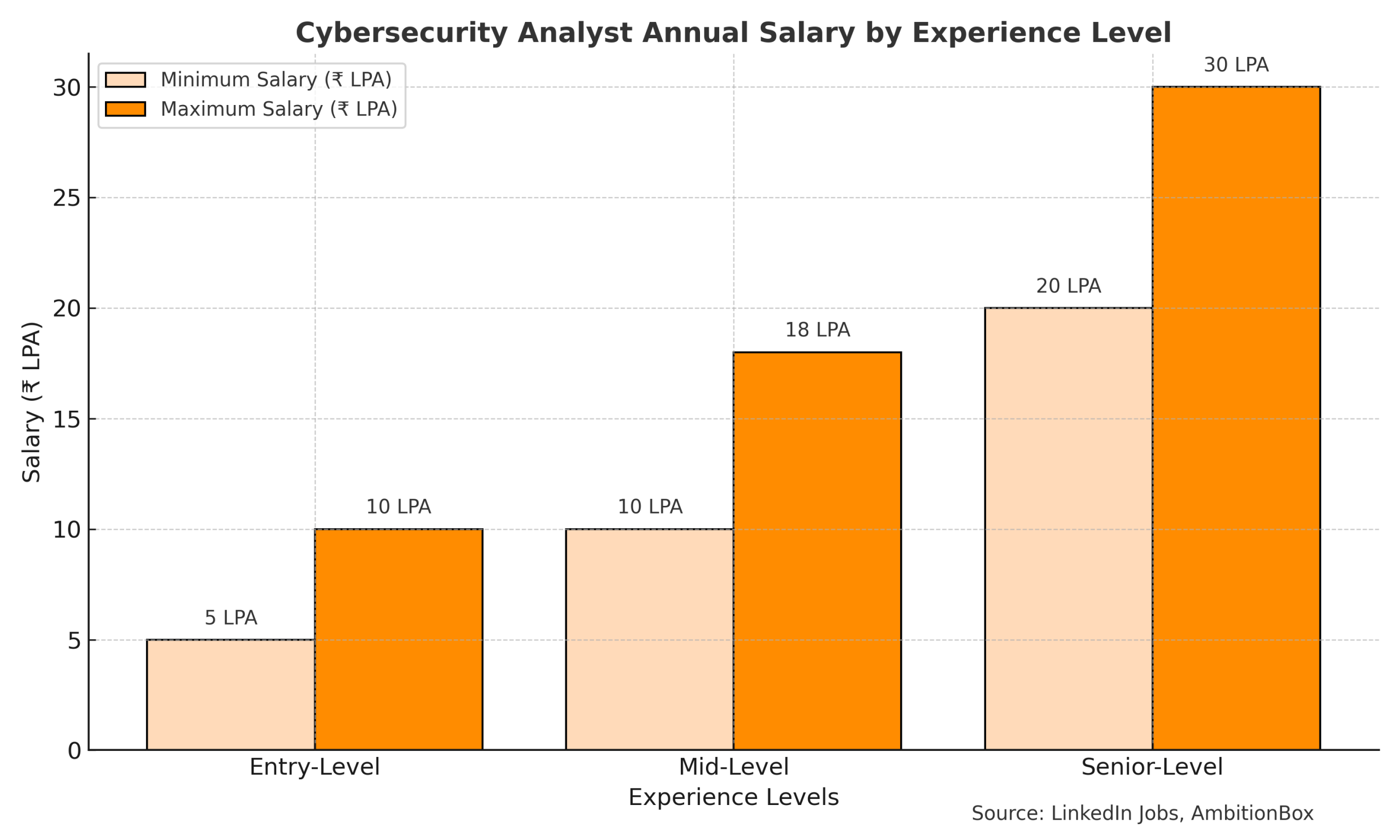
₹5–10 LPA (Entry-Level), ₹10–18 LPA (Mid-Level), ₹20+ LPA (Senior-Level)

Cybersecurity Analysts monitor and secure systems against cyber threats, ensuring robust defenses using ethical hacking techniques.

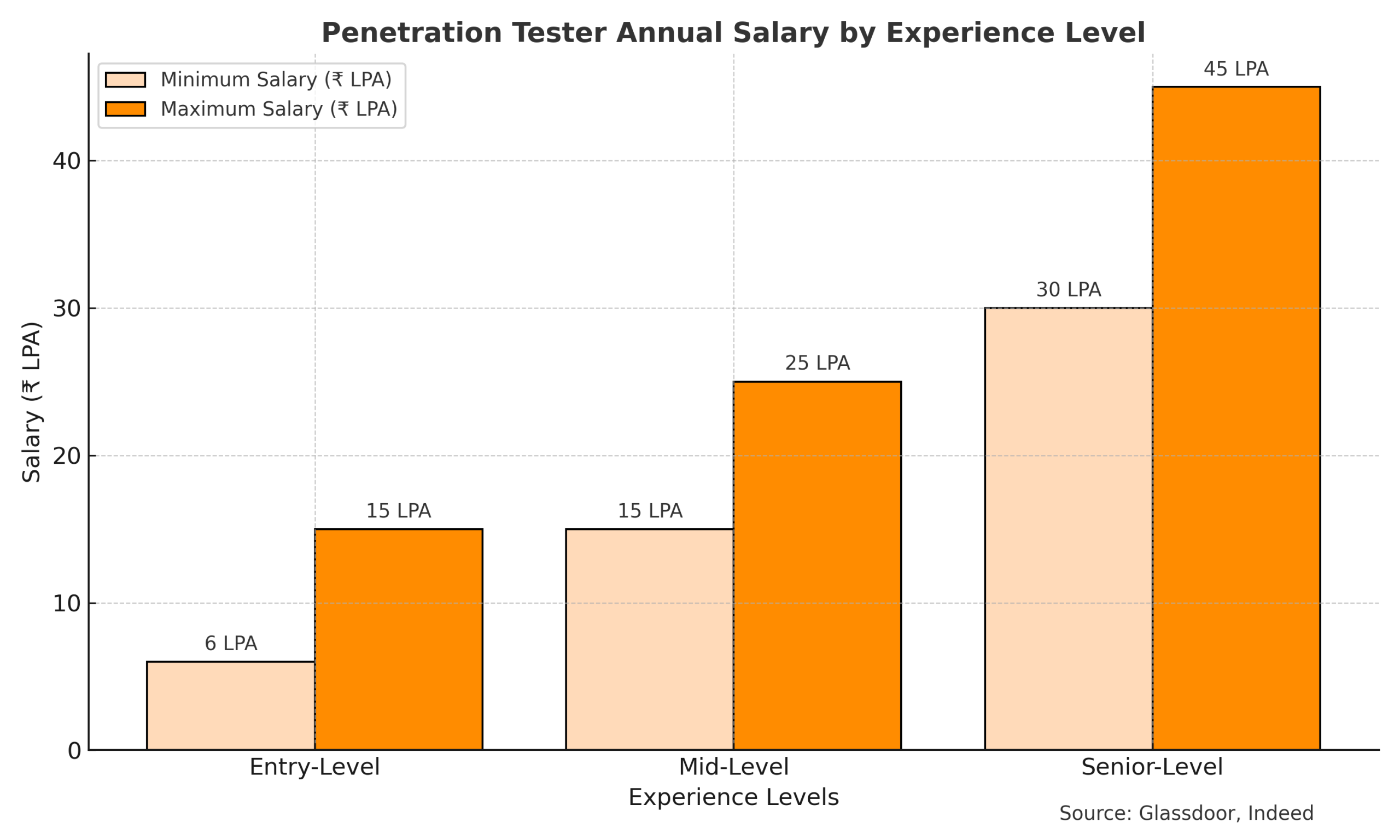
₹6–15 LPA (Entry-Level), ₹15–25 LPA (Mid-Level), ₹30+ LPA (Senior-Level)

Penetration Testers simulate cyberattacks on systems to uncover vulnerabilities, ensuring data and network security.

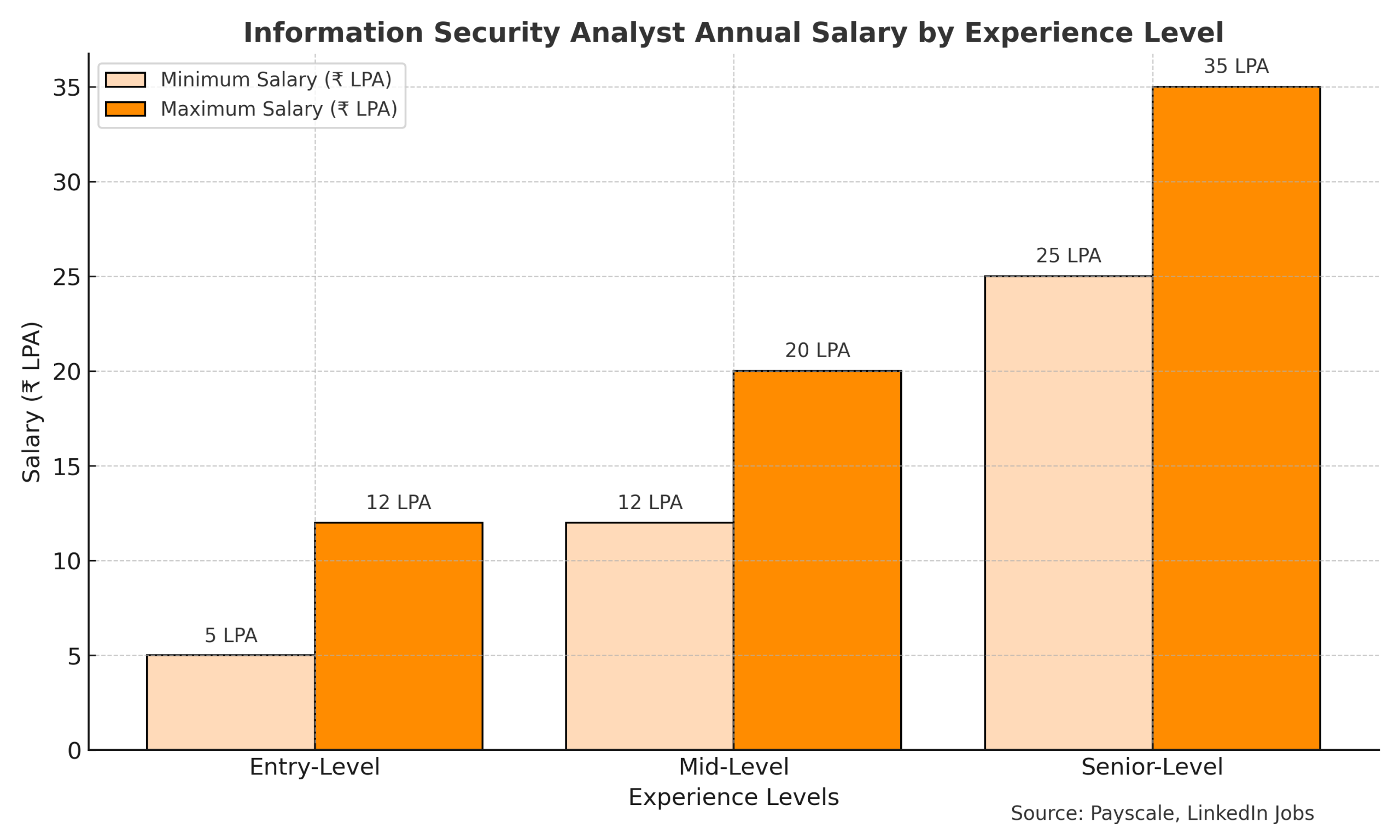
₹5–12 LPA (Entry-Level), ₹12–20 LPA (Mid-Level), ₹25+ LPA (Senior-Level)

Information Security Analysts protect sensitive data and systems by identifying risks and implementing security measures.

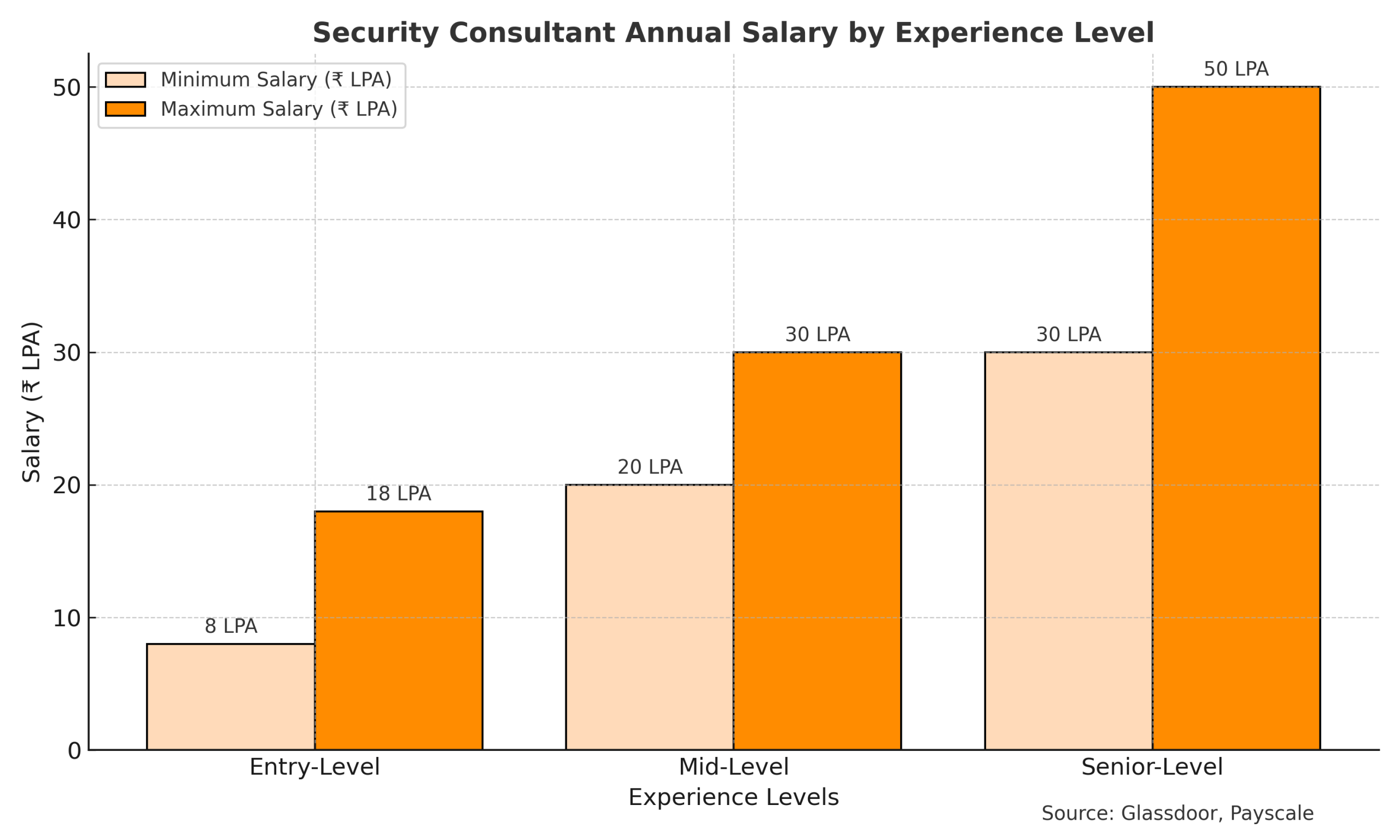
₹8–18 LPA (Entry-Level), ₹20–30+ LPA (Mid-Level), ₹30+ LPA (Senior-Level)

Security Consultants provide expert advice on securing systems and networks, helping organizations implement best practices.

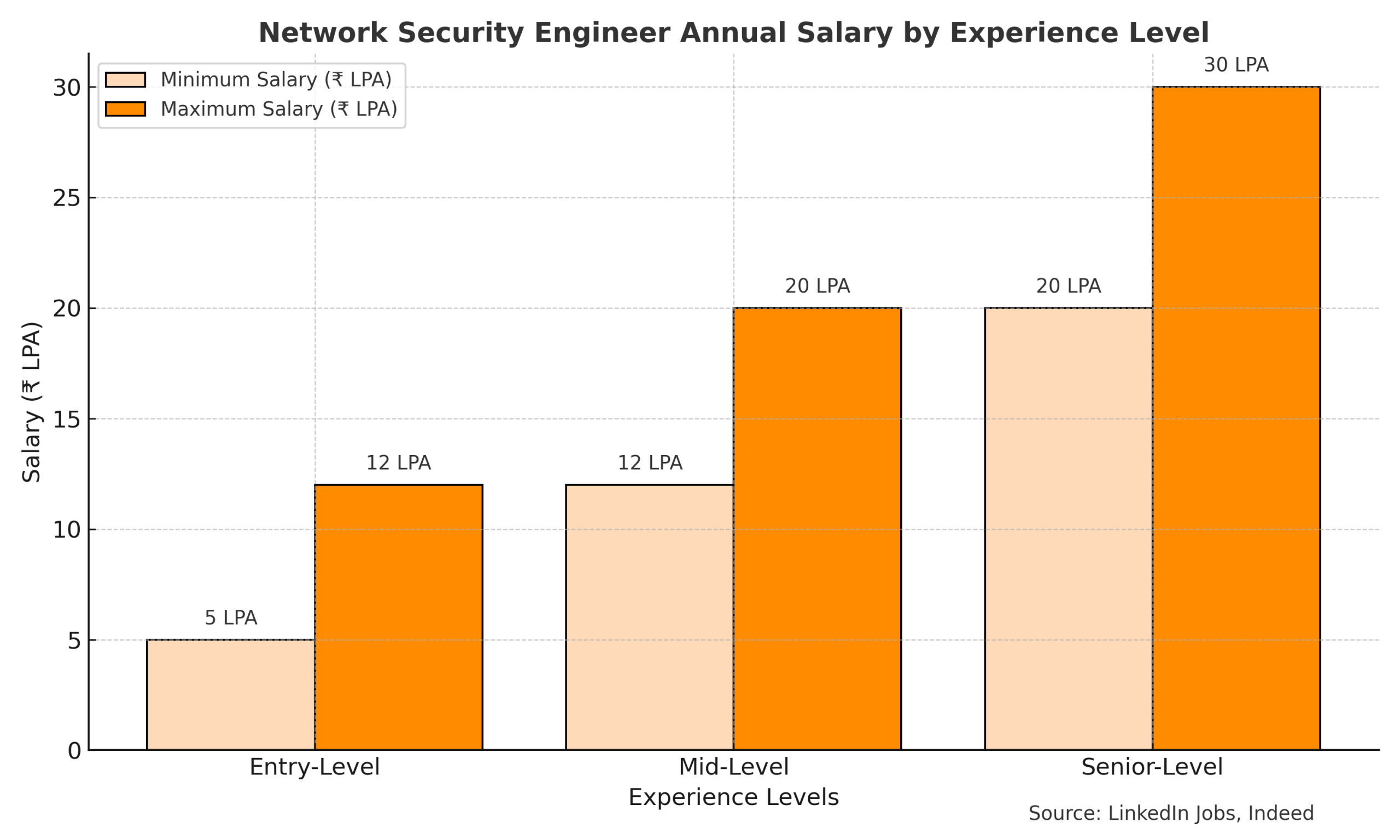
₹5–12 LPA (Entry-Level), ₹12–20 LPA (Mid-Level), ₹20–30 LPA (Senior-Level)

Network Security Engineers secure and maintain the integrity of network infrastructure, ensuring data protection against cyber threats.

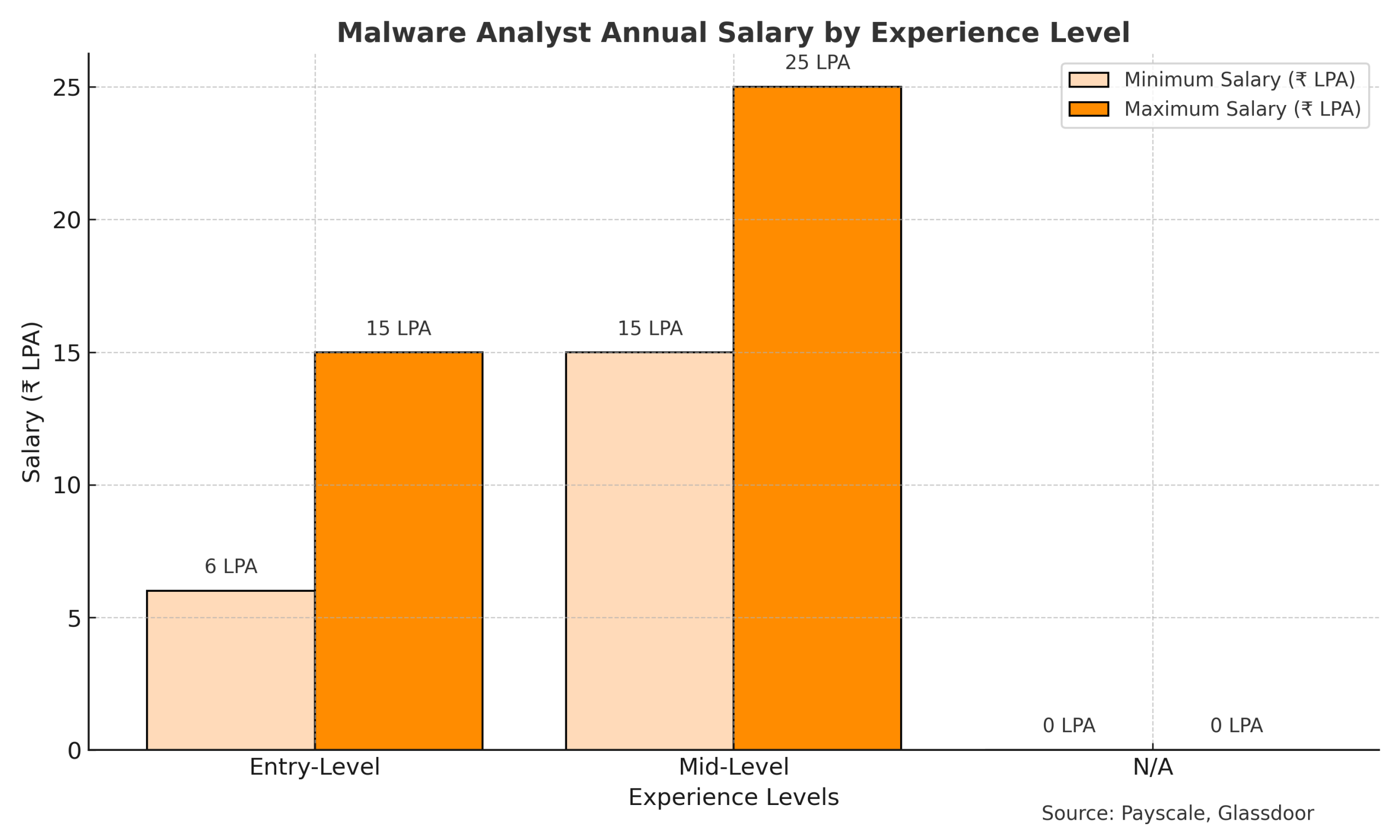
₹6–15 LPA (Entry-Level), ₹15–25 LPA (Mid-Level)

Malware Analysts identify, study, and neutralize malicious software to protect systems from cyberattacks.

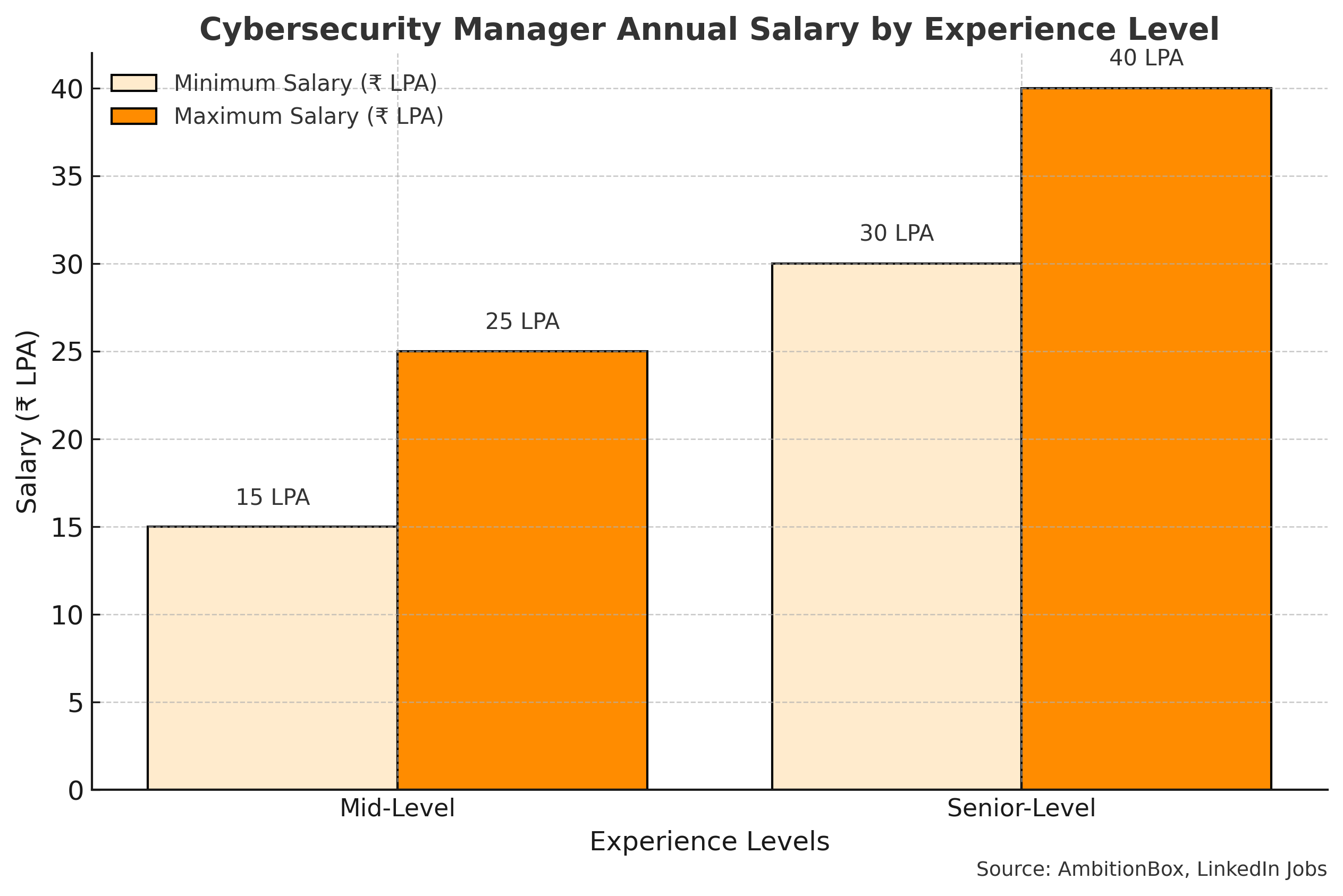
₹15–25 LPA (Mid-Level), ₹30–40+ LPA (Senior-Level)

Cybersecurity Managers oversee security teams, implement security strategies, and manage risk assessment and mitigation plans.

High-Paying Careers in Penetration Testing in Jaipur

Leading tech firms are actively seeking cybersecurity talent with penetration testing expertise.

Annual Salary

₹5–12 LPA (Entry-Level), ₹12–25 LPA (Mid-Level), ₹25+ LPA (Senior-Level)

Hiring Companies

Ethical Hackers identify vulnerabilities in systems, networks, and applications by simulating cyberattacks to enhance security.

Annual Salary

₹5–10 LPA (Entry-Level), ₹10–18 LPA (Mid-Level), ₹20+ LPA (Senior-Level)

Hiring Companies

Cybersecurity Analysts monitor and secure systems against cyber threats, ensuring robust defenses using ethical hacking techniques.

Annual Salary

₹6–15 LPA (Entry-Level), ₹15–25 LPA (Mid-Level), ₹30+ LPA (Senior-Level)

Hiring Companies

Penetration Testers simulate cyberattacks on systems to uncover vulnerabilities, ensuring data and network security.

Annual Salary

₹5–12 LPA (Entry-Level), ₹12–20 LPA (Mid-Level), ₹25+ LPA (Senior-Level)

Hiring Companies

Information Security Analysts protect sensitive data and systems by identifying risks and implementing security measures.

Annual Salary

₹8–18 LPA (Entry-Level), ₹20–30+ LPA (Mid-Level), ₹30+ LPA (Senior-Level)

Hiring Companies

Security Consultants provide expert advice on securing systems and networks, helping organizations implement best practices.

Annual Salary

₹5–12 LPA (Entry-Level), ₹12–20 LPA (Mid-Level), ₹20–30 LPA (Senior-Level)

Hiring Companies

Network Security Engineers secure and maintain the integrity of network infrastructure, ensuring data protection against cyber threats.

Annual Salary

₹6–15 LPA (Entry-Level), ₹15–25 LPA (Mid-Level)

Hiring Companies

Malware Analysts identify, study, and neutralize malicious software to protect systems from cyberattacks.

Annual Salary

₹15–25 LPA (Mid-Level), ₹30–40+ LPA (Senior-Level)

Hiring Companies

Cybersecurity Managers oversee security teams, implement security strategies, and manage risk assessment and mitigation plans.

Course Snapshot

Course Description

This extensive course consists of 75–80 hours of structured learning delivered through 72+ live technical sessions and 8 value-added sessions. The curriculum covers essential cybersecurity concepts, networking fundamentals, and advanced penetration testing techniques through practical, hands-on learning.

Course Details

  • Duration: 75–80 hours total learning time
  • Format: Online + In-person sessions with interactive live training
  • Sessions: 72+ technical sessions + 8 value-added sessions
  • Learning Method: Practical labs & hands-on exercises in dedicated cybersecurity labs
  • Coverage: Networking fundamentals to advanced penetration testing
  • Schedule: Flexible timings suitable for students & working professionals

Who Should Enroll

  • Aspiring cybersecurity professionals seeking penetration testing expertise
  • IT experts looking to specialize in cybersecurity & ethical hacking
  • Students pursuing B.Tech, BCA, MCA or related technical degrees
  • Developers aiming to strengthen application & network security skills
  • Business owners wanting to secure digital assets & infrastructure
  • Individuals passionate about ethical hacking & modern cybersecurity

Course Outcomes – Skills You’ll Master

  • Master ethical hacking tools & industry-standard penetration methodologies
  • Identify, analyze & exploit system vulnerabilities to improve security posture
  • Automate penetration testing workflows using Bash & Python scripting
  • Conduct detailed vulnerability assessments for organizations across various domains
  • Understand legal & ethical frameworks governing penetration testing in India
  • Apply advanced penetration testing techniques in real-world scenarios

Advanced Penetration Testing Course Structure in Jaipur

Master Tools, Techniques, and Real-World Applications
Our curriculum in Jaipur is meticulously designed to provide a robust exploration of penetration testing and cybersecurity essentials. You will engage in both theoretical concepts and practical skill development at our state-of-the-art Jaipur facility to navigate the complexities of the cybersecurity landscape effectively. Prepare for high-demand roles in Jaipur's growing IT security sector and national cybersecurity organizations.

Introduction

Introduction to the Course
Benefits
Topics Overview
Learning Outcomes
  • 1.04 Understand the course structure and objectives.
  • 1.04 Recognize the key benefits and certification paths.
  • 1.04 Identify the key domains and tools covered throughout the course.

Networking Refresher

Introduction to Computer Networks, Topologies, and Types
 IP Addressing & Subnetting
TCP/IP Model Overview
 Most Common Protocols
Overview of Web Architecture
Tools & Utilities
  • 2.06 Cisco Packet Tracer
  • 2.06 Wireshark
Learning Outcomes
  • 2.07 Explain the basics of computer networking and network topologies
  • 2.07 Perform IP addressing and subnetting calculations
  • 2.07 Describe the layers and functions of the TCP/IP model
  • 2.07 Identify common network protocols and their purposes
  • 2.07 Understand the structure of web architecture
Mini Project
  • Draw and label different network topologies

  • Calculate subnets for given IP ranges

  • Match protocols to their functions (e.g., HTTP, FTP, DNS)

  • Diagram a basic web architecture

  • Network topology simulation in Cisco Packet Tracer

  • Capturing and analyzing packets with Wireshark

Linux

Lab Setup & OS Virtualization
Introduction to Linux
Basic Commands
Creating, Viewing and Editing Text Files
Process Management• Linux Networking
Tools & Utilities
  • 3.06 Kali Linux
  • 3.06 Parrot
  • 3.06 Apache
  • 3.06 VirtualBox/VMware
Learning Outcomes
  • 3.07 Set up a virtualized Linux environment for security testing
  • 3.07 Execute basic Linux commands for navigation and file management
  • 3.07 Create and edit text files using Linux editors
  • 3.07 Monitor and manage processes in a Linux environment
  • 3.07 Configure basic network settings
Mini Project
  • Install Kali/Parrot OS on VMware

  • Practice most common Linux commands (e.g., ls, cd, cat)

  • List running processes and terminate a specific process

  • Configuring different servers in Linux

  • Configure a static IP address in Linux

Bash Scripting

Introduction to Bash and Basic Commands
Writing and Executing Bash Scripts
Variables & User Input
Conditional Statements
Loops
Learning Outcomes
  • 4.06 Write, debug, and execute basic to intermediate Bash scripts.
  • 4.06 Automate routine tasks in penetration testing.
  • 4.06 Apply scripting logic using conditions and loops
Mini Project
  • Write and execute a "Hello, World!" Bash script

  • Take user input (e.g., name, age) and display a personalized message

  • Use if-else statements to check if a directory exists

  • Write a backup script using date-stamped filenames

  • Create a Bash script to run basic pentesting tools

  • Use while and until loops to repeatedly check a service status

  • Develop a script to enumerate live hosts in a subnet using ping sweep

Windows Fundamentals

Windows Architecture
Windows Basics & Security Essentials
Windows User & Permission Management
Windows Networking & Services
Windows Logs & Event Monitoring
Windows Command Line & Scripting
Active Directory Fundamentals
Tools
  • 5.08 Windows 10/11
  • 5.08 Event Viewer
  • 5.08 PowerShell
Learning Outcomes
  • 5.09 Understand the Windows environment from a pentester's perspective
  • 5.09 Manage users, permissions, and logs for security auditing
  • 5.09 Execute administrative tasks and scripts using PowerShell
  • 5.09 Analyze system events and monitor Windows activity for investigations
Mini Project
  • Navigate Windows using Command Prompt and PowerShell

  • List and manage local users and groups via PowerShell

  • Create a new user, assign permissions, and verify access rights

  • Use Event Viewer to locate and analyze failed login attempts

  • Start and stop Windows services using command-line tools

  • Configure Windows Firewall rules using PowerShell

  • Explore and analyze Windows system logs

  • Practice basic PowerShell scripting for system automation

Introduction to Penetration Testing

Understanding Cybersecurity & Ethical Hacking
Introduction to Penetration Testing (PT)
Penetration Testing Methodology
Vulnerability Assessment (VA) vs Penetration Testing (PT)
Legal & Ethical Considerations
Compliance & Security Standards
Learning Outcomes
  • 6.07 Understand the foundational concepts of cybersecurity and ethical hacking
  • 6.07 Identify different types of cyber threats and vulnerabilities
  • 6.07 Interpret cybersecurity laws, regulations, and compliance standards
  • 6.07 Understand the scope, responsibilities, and ethics of penetration testers
  • 6.07 Differentiate clearly between vulnerability assessment and penetration testing
  • 6.07 Apply industry-recognized PT methodologies in an ethical and structured manner

Cryptography

Introduction to Cryptography
Symmetric & Asymmetric Encryption
Hashing
Digital Signatures
Cryptographic Vulnerabilities & Misconfigurations
Cryptanalysis
Tools & Utilities
  • 7.07 Bitlocker
  • 7.07 VeraCrypt
  • 7.07 HashCalc
  • 7.07 CyberChef
Learning Outcomes
  • 7.08 Explain cryptographic principles and algorithms
  • 7.08 Apply encryption for email and disk security
  • 7.08 Understand PKI and its role in security
  • 7.08 Analyze cryptographic weaknesses
  • 7.08 Use cryptography tools to secure data
  • 7.08 Understand key cryptographic principles and applications.
  • 7.08 Identify vulnerabilities in cryptographic implementations.
  • 7.08 Use cryptographic tools to analyze and secure data.
Mini Project
  • Encrypt a file using VeraCrypt

  • Generate a hash with HashCalc

  • Analyze a cipher with CyberChef

  • Perform disk encryption and decryption using VeraCrypt

Reconnaissance

Passive & Active Reconnaissance Techniques
Footprinting Through Search Engines
Footprinting Through Web Services
Website Footprinting
Network Footprinting
Email Footprinting
WHOIS Footprinting
DNS Footprinting
Google Dorking
Tools & Utilities
  • 8.10
  • 8.10 Maltego
  • 8.10 Shodan
  • 8.10 Recon-ng
  • 8.10 FOCA
  • 8.10 Nslookup
  • 8.10 Dig
  • 8.10 Gobuster / Dirb
  • 8.10 Google Dorking Operators
Learning Outcomes
  • 8.11 Differentiate between passive and active reconnaissance methods
  • 8.11 Gather information using search engines, web services, and OSINT tools
  • 8.11 Perform footprinting on websites, networks, emails, domains, and DNS infrastructures
  • 8.11 Use industry-standard reconnaissance tools to collect actionable intelligence
  • 8.11 Understand ethical guidelines and legal boundaries for information gathering
Mini Project
  • Perform Google Dorking to locate publicly exposed data

  • Use WHOIS to gather domain ownership and registration details

  • Run DNS enumeration using nslookup or dig

  • Identify open directories using dirb or gobuster

  • Map relationships and organizations using Maltego

  • Conduct a complete reconnaissance exercise using Recon-ng and theHarvester on a target domain

Scanning Networks

Host Discovery
Port & Service Scanning
Advanced Port & Service Scanning
OS Identification & Banner Grabbing
Scanning Beyond Firewall
Tools & Utilities
  • 9.06 Nmap
  • 9.06 Zenmap
  • 9.06 Hping3
  • 9.06 Angry IP Scanne
Learning Outcomes
  • 9.07 Discover live hosts
  • 9.07 Perform port and service scans to identify open ports
  • 9.07 Identify operating systems and services through scanning
  • 9.07 Apply techniques to bypass basic firewall restrictions
  • 9.07 Analyze scan results to prioritize vulnerabilities
  • 9.07 Use scanning tools effectively and ethically
  • 9.07 Identify services and operating systems using active scanning.
  • 9.07 Evade basic security mechanisms during scans.
Mini Project
  • Run a basic Nmap scan to identify open ports

  • Perform banner grabbing on a target service

  • Identify OS using Nmap options

  • Compare scan results from Angry IP Scanner and Zenmap

  • Execute a comprehensive Nmap scan with OS detection and service enumeration

  • Using Different Scanning techniques to scan beyond firewall

Enumeration

NetBIOS Enumeration
SMB Enumeration
LDAP Enumeration
SNMP Enumeration
DNS Enumeration
Other Common Protocols Enumeratio
Tools & Utilities
  • 10.07 enum4linux
  • 10.07 Nmap scripts (NSE)
  • 10.07 SNMPwalk
  • 10.07 LDAPsearch
Learning Outcomes
  • 10.08 Enumerate network resources using NetBIOS and SMB
  • 10.08 Extract information from LDAP and SNMP services
  • 10.08 Identify vulnerabilities through protocol enumeration
  • 10.08 Use enumeration tools to gather system details
  • 10.08 Understand the risks of exposed services
Mini Project
  • Run an Nmap script for SMB enumeration

  • Perform NetBIOS enumeration on a target

  • Query an SNMP service using SNMPwalk

  • Extract LDAP attributes using LDAPsearch

  • List common enumerated protocols and their risks

  • Enumerate a target system using enum4linux and Nmap scripts

Vulnerability Assessment

Vulnerability Scanning
Vulnerability Assessment
Vulnerability Research
Tools & Utilities
  • 11.04 Nessus
  • 11.04 OpenVAS
  • 11.04 Nikto
Learning Outcomes
  • 11.05 Conduct automated vulnerability scans on systems
  • 11.05 Analyze and prioritize vulnerabilities based on severity
  • 11.05 Research exploits for identified vulnerabilities
  • 11.05 Interpret scan reports for actionable insights
Mini Project
  • Run a basic Nikto scan on a web server

  • Identify CVEs for a known vulnerability

  • Compare Nessus and OpenVAS scan outputs

  • Categorize vulnerabilities by severity

  • Perform a vulnerability scan using OpenVAS and generate a report

Sniffing

Sniffing Concepts
Different Sniffing Techniques
MITM
Sniffing Countermeasures
Tools & Utilities
  • 12.05 Wireshark
  • 12.05 Ettercap
Learning Outcomes
  • 12.06 Understand how sniffing captures network traffic
  • 12.06 Apply sniffing techniques to analyze packets
  • 12.06 Identify sensitive data in captured traffic
  • 12.06 Implement countermeasures to prevent sniffing
  • 12.06 Perform MITM attacks in a controlled environment.
Mini Project
  • Capture HTTP traffic with Wireshark

  • Identify clear-text credentials in packets

  • Perform ARP spoofing in a lab with Ettercap

  • List sniffing countermeasures

  • Sniff and analyze network traffic using Wireshark in a lab environment

Exploitation & Post-Exploitation

Exploitation Techniques (Linux & Windows)
Exploit Development Basics
Metasploit Framework
Post-Exploitation Activities
Tools & Utilities:
  • 13.05 John the Ripper
  • 13.05 Hashcat
  • 13.05 Metasploit framework
  • 13.05 Pwdump7
  • 13.05 Mimikatz
  • 13.05 Netcat
  • 13.05 Hydra
  • 13.05 Searchsploit
  • 13.05 Exploit-db
  • 13.05 WinPEAS
  • 13.05 LinPEAS
Learning Outcomes
  • 13.06 Perform system exploitation on vulnerable Linux and Windows machines
  • 13.06 Use Metasploit for structured and manual exploitation techniques
  • 13.06 Understand basic exploit development principles and vulnerability analysis
  • 13.06 Perform effective post-exploitation activities including privilege escalation and persistence
  • 13.06 Extract and crack credentials using industry-standard tools
  • 13.06 Utilize PEAS scripts to enumerate escalation paths
  • 13.06 Gain remote access, maintain persistence, and pivot within compromised networks
  • 13.06 Apply ethical considerations and legal boundaries during exploitation activities
Mini Project
  • Crack a password hash using John the Ripper, Hashcat

  • Use Hydra to brute-force services

  • Use Mimikatz to extract credentials

  • Crack NTLM & Linux Shadow hashes

  • Exploit a system vulnerability using Metasploit and escalate privileges

  • Perform manual exploitation of a vulnerable Linux service

  • Establish a reverse shell using Netcat

  • Identify privilege escalation vectors with WinPEAS , LinPEAS

Reporting

Writing Effective PT Reports
Learning Outcomes
  • 14.02 Document findings clearly and concisely.
  • 14.02 Prioritize issues based on impact.
  • 14.02 Communicate technical details to both technical and non-technical stakeholders.

Active Directory Pentesting

AD Architecture Basics
User, Group & Computer Enumeration
Kerberoasting & AS-REP Roasting
Common Attack Techniques
Lateral Movement
Privilege Escalation
Persistence
Learning Outcomes
  • 15.08 Identify and exploit common Active Directory misconfigurations
  • 15.08 Enumerate users, groups, computers, and trust relationships
  • 15.08 Perform credential attacks such as Kerberoasting and Pass-the-Hash
  • 15.08 Simulate lateral movement and privilege escalation within Active Directory
  • 15.08 Utilize AD-specific tools for post-exploitation and persistence
Mini Project
  • Enumerate users and groups

  • Perform Kerberoasting and crack service tickets offline

  • Extract hashes using Mimikatz and reuse them (Pass-the-Hash)

  • Visualize AD relationships and privilege paths using BloodHound

  • Simulate lateral movement across systems

  • Abuse Group Policy Preferences to recover stored passwords

  • Generate and use a Golden Ticket with Mimikatz

Web Application PT

Web Fundamentals Refresher
  • 16.01 HTTP/HTTPS, Cookies, Sessions, Request/Response
  • 16.01 Frontend vs. Backend Overview
  • 16.01 Common Status Codes, Headers, and Methods
Lab Setup
  • 16.02 Installing DVWA, bWAPP, Juice Shop, and WebGoat
  • 16.02 Using Burp Suite & Browser Extensions
  • 16.02 Proxy Configuration and Interception
Web Reconnaissance
  • 16.03 Subdomain Enumeration
  • 16.03 WHOIS, DNS Dump, and robots.txt Analysis
  • 16.03 Identifying Technologies and Frameworks Used
Web Scanning
  • 16.04 Automated Scanning (Nikto, Nmap, OWASP ZAP)
  • 16.04 CMS Detection (wpscan, droopescan)
  • 16.04 Vulnerability Detection and Analysis
OWASP
  • 16.05 A01: Broken Access Control
  • 16.05 A02: Cryptographic Failures
  • 16.05 A03: Injection
  • 16.05 A04: Insecure Design
  • 16.05 A05: Security Misconfiguration
  • 16.05 A06–A10: (and so on)
Most Common Vulnerabilities
  • 16.06 SQL Injection (SQLi), Cross-Site Scripting (XSS), Cross-Site Request Forgery (CSRF)
  • 16.06 Local File Inclusion (LFI), Remote File Inclusion (RFI), Insecure Direct Object Reference (IDOR)
  • 16.06 Broken Authentication, File Upload Bypass, Session Hijacking
  • 16.06 Clickjacking, Path Traversal, Misconfigured Headers
  • 16.06 Other Common Vulnerabilities (Including OWASP Top 10 Issues)

Bug Bounty

Platforms
  • 17.01 HackerOne
  • 17.01 Bugcrowd
  • 17.01 Integrity
Scope reading, recon, report writing tips
Legal considerations and responsible disclosure

WordPress Hacking & Security

WordPress Architecture Overview
Common Vulnerabilities in WordPress
Recon and Enumeration
Vulnerability Scanning
Manual Exploitation Techniques
WordPress Hardening Techniques
Learning Outcomes
  • 18.07 Identify vulnerabilities in WordPress environments.
  • 18.07 Enumerate plugins, themes, and users using recon tools
  • 18.07 Use WPScan and other tools for auditing.
  • 18.07 Apply security best practices to protect WordPress sites.
Mini Project
  • Set up a local vulnerable WordPress site

  • Use wpscan to enumerate users, plugins, and known CVEs

  • Upload a malicious plugin and gain shell access

  • Manually brute-force the wp-admin login panel

  • Exploit a vulnerable theme

API Security & Testing

API Basics
API Authentication Mechanisms
Common API Vulnerabilities
API Recon & Documentation Analysis
Testing APIs
Securing APIs
Learning Outcomes
  • 19.07 Understand API protocols, architecture, and security models
  • 19.07 Use tools like Postman, Burp Suite, and curl to test APIs
  • 19.07 Detect and exploit API-specific vulnerabilities
  • 19.07 Perform authentication/authorization testing
  • 19.07 pply secure coding and design practices for APIs
Mini Project
  • Analyze and test a sample REST API using Postman

  • Intercept and manipulate API calls with Burp Suite

  • Exploit an IDOR vulnerability to access another user's data

  • Simulate a brute-force attack on API authentication endpoints

  • Perform API fuzzing using Burp or custom scripts

Android App Pen testing

Overview
  • 20.01 What makes Android apps vulnerable
  • 20.01 Need of Android Pentesting
Android OS & Architecture
  • 20.02 Dalvik/ART, APK structure, Android security model
  • 20.02 Permissions, sandboxing, file system
Lab Setup
  • 20.03 Genymotion / Android Studio AVD setup
  • 20.03 Installing MobSF, Burp Suite integration
  • 20.03 Setting up a vulnerable APK
Static Analysis
  • 20.04 Decompiling APKs with JADX, apktool
  • 20.04 Code review & manifest analysis
  • 20.04 Identifying hardcoded secrets, permissions, exported components
Dynamic Analysis
  • 20.05 Runtime manipulation using Frida, Xposed
  • 20.05 Hooking functions, bypassing root/jailbreak detection
  • 20.05 Monitoring network traffic and runtime behaviors
Reverse Engineering – Android APK
  • 20.06 Extracting and analyzing app logic
  • 20.06 Modifying and recompiling APKs

IOS Pen testing

IOS Architecture
Overview of IOS Pentesting
Learning Outcomes
  • 21.03 Understand iOS system design, sandboxing, code signing, and security features (Secure Enclave, App Sandbox, etc.)
  • 21.03 Explore methodologies for testing iOS apps including static and dynamic analysis, reverse engineering, and common vulnerabilities.
  • 21.03 Covers jailbreaking basics, app data extraction, and bypassing common protections

Malware

Malware & Its Types
Components of Malware
Stages of Malware Lifecycle
Static vs. Dynamic Malware Analysis
Learning Outcomes
  • 22.05 Identify different types of malware and their behaviors
  • 22.05 Analyze malware components and their functions
  • 22.05 Perform static and dynamic malware analysis
  • 22.05 Understand malware propagation and mitigation
  • 22.05 Use tools to analyze malicious code and behaviors
  • 22.05 Detect and extract Indicators of Compromise (IOCs)
  • 22.05 Develop basic signatures and YARA rules for malware detection
Mini Project
  • Extract strings from a binary using Strings

  • Analyze a file with PEStudio

  • Submit a sample to VirusTotal for analysis

  • Compare system snapshots with Regshot

  • Conduct malware analysis in a sandbox environment using Remnux

  • Extract and document IOCs from a dynamic analysis report

  • Use PEStudio or Strings to identify suspicious artifacts

  • Create a basic YARA rule to match a known malware pattern

Social Engineering Pen testing

Psychological Principles Behind Social Engineering
Types of Social Engineering Attacks
  • 23.02 Phishing
  • 23.02 Pretexting
  • 23.02 Tailgating
  • 23.02 Baiting
Crafting Phishing Emails and Malicious Attachments
Voice Phishing (Vishing) and SMS Phishing (Smishing)
Red Team Tactics and Simulation Exercises
Defensive Measures
  • 23.06 Awareness Training
  • 23.06 Reporting Mechanisms
  • 23.06 Simulated Campaigns
Learning Outcomes
  • 23.07 Understand principles of psychological manipulation
  • 23.07 Simulate phishing and other social engineering attacks
  • 23.07 Analyze impact and human risk factors in organizations
  • 23.07 Create awareness strategies and simulate training exercises
Mini Project
  • Design and send a simulated phishing campaign

  • Create a phishing landing page using SEToolkit or Gophish

  • Conduct a USB drop test using Rubber Ducky, etc

Reverse Engineering

Fundamentals of Assembly & Machine Code
Static Analysis using Ghidra, IDA Pro
Dynamic Analysis using x64dbg or OllyDbg
Reversing Executables and Understanding PE Structure
Reverse Engineering for Malware Analysis
Software Protection Techniques
  • 24.06 Obfuscation
  • 24.06 Packing
Vulnerability Discovery & Exploit Analysis
Analyze binary files and software behavior.
Use tools like Ghidra or IDA Pro to reverse malware or exploits.
Understand software internals and vulnerability discovery.
Mini Project
  • Disassemble a simple binary using Ghidra

  • Analyze a keygen or crackme challenge

  • Unpack and analyze a packed executable

Cloud Computing

Introduction to Cloud Computing
Cloud Concepts
Cloud Attacks & Hacking Methodology
Cloud Security
Learning Outcomes
  • 25.05 Understand cloud computing models and services
  • 25.05 Identify common cloud vulnerabilities
  • 25.05 Perform basic cloud security assessments
  • 25.05 Apply cloud hacking methodologies ethically
  • 25.05 Recommend cloud security best practices
Mini Project
  • Configure AWS CLI for basic tasks

  • List cloud service models (IaaS, PaaS, SaaS)

  • Identify cloud misconfigurations

  • Recommend cloud security controls

  • Perform a cloud security audit using AWS CLI in a lab environmen

IoT & OT Concepts

Overview of IoT and OT Systems
  • 26.01 SCADA
  • 26.01 PLCs
  • 26.01 ICS
Common IoT Devices and Protocols
  • 26.02 MQTT
  • 26.02 CoAP
  • 26.02 Modbus
Threats and Vulnerabilities in Embedded Systems
Firmware Extraction and Analysis
OT Threat Landscape and Attack Examples (e.g., Stuxnet)
Basic IoT Device Pentesting Methodology
Learning Outcomes
  • 26.07 Understand unique security challenges in IoT/OT environments
  • 26.07 Identify risks and mitigations in smart and industrial devices
  • 26.07 Apply basic testing techniques on embedded systems and firmware
  • 26.07 Recognize industrial protocols and analyze their security implications
Mini Project
  • Perform a firmware analysis using binwalk

  • Simulate a Modbus traffic sniff using Wireshark

  • Enumerate IoT devices on a local network

  • Identify vulnerabilities in a smart device (e.g., IP camera or router)

Capture the Flag (CTF)

Introduction to CTF Types
CTF Categories
Challenge Solving Techniques
Various Tools for CTF
Write-ups and Documentation
Learning Outcomes
  • 27.06 Apply all acquired skills in hands-on challenges
  • 27.06 Develop critical thinking and problem-solving skills under pressure
  • 27.06 Prepare for real-world assessments, interviews, and competitions
  • 27.06 Improve collaboration in team-based challenge environments
Mini Project
  • Reverse a simple binary and retrieve a flag

  • Use CyberChef to decode common encodings

  • Write a detailed solution for one solved challenge

  • Participate in a team-based mini-CTF

  • Solve beginner to medium level CTF challenges from different platforms

Master Real-World Cybersecurity Through Hands-On Projects

Participate in practical projects at our Jaipur cybersecurity lab that simulate actual cybersecurity scenarios, allowing you to apply your knowledge and demonstrate your mastery of penetration testing in real-world settings. Build your expertise in Jaipur for opportunities in local IT companies, national corporations, government agencies, and international cybersecurity firms.

The Ultimate Toolkit

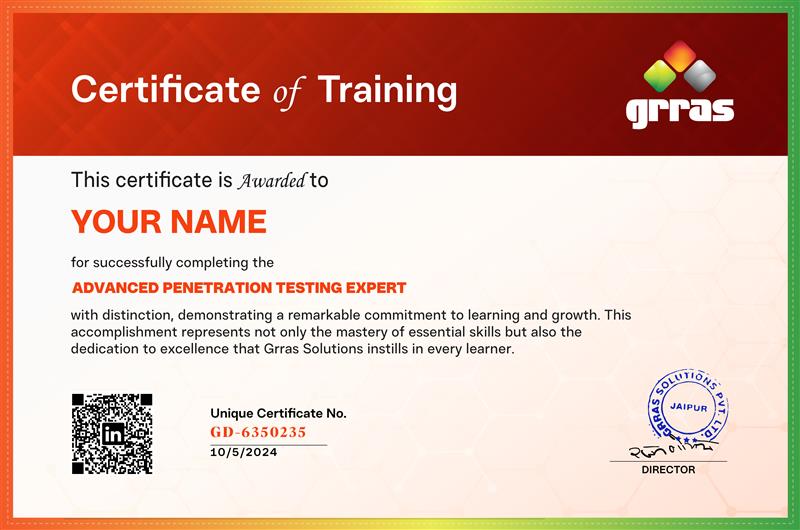
Certification in Expert-Level Penetration Testing Techniques in Jaipur

Gain real-world experience with a hands-on cybersecurity project in Jaipur designed to help you identify, exploit, and secure vulnerabilities in simulated enterprise environments. You will work through every phase of ethical hacking — reconnaissance, scanning, exploitation, privilege escalation, and reporting — using industry-standard tools.
Built with Python automation, Linux utilities, Metasploit, Burp Suite, Nmap, and more, this project strengthens your skills in advanced penetration testing and network defense. It prepares you for professional cybersecurity certifications and equips you with the practical expertise needed to excel in high-demand security roles across Jaipur’s growing IT and cybersecurity ecosystem.

  • 20000+

    Professionals Trained

Our Proven Track Record Shows that we Walk the Talk

Why Choose Grras Solutions?

Industry-Aligned Curriculum

Master a curriculum crafted and constantly updated by industry experts to match real-world trends, ensuring every concept and project builds job-ready, future-proof skills.

Personalized Career Support

Receive one-on-one mentorship, resume reviews, mock interviews, and complete placement assistance through our 500+ hiring partners to accelerate your tech career.

Expert Mentorship

Learn directly from certified professionals with years of hands-on experience who guide you through every module, project, and career milestone personally.

Real-World Projects

Gain practical exposure by working on live, industry-grade projects that mirror real business challenges, strengthening your technical execution and problem-solving abilities.

Proven Track Record

Join thousands of successful learners who have launched rewarding tech careers through Grras. Our consistent placement results, trusted partnerships, and alumni success stories speak for the quality of our training.

From Training to Placement A Roadmap to Success

Navigate your professional journey with a comprehensive guide that transforms learning into opportunity. Discover proven strategies to build skills, gain experience, and secure your ideal position in today's competitive job market.

Expert Training sessions123

Focus on industry-relevant skills

Hands on projects & Assignments

Real-world projects to implement learned concepts.

Performance Tracking

Weekly tests to assess progress

Mock Interviews

Mock sessions with real-time feedback from experts

Expert Sessions

Host industry experts for advanced technical guidance

Skill Refinement Tasks

Focus on problem-solving, critical thinking, and domain expertise

Effective Communication & Presentation Skills

Through interactive classes, students enhance both verbal and non-verbal communication, while also learning to present their ideas clearly, confidently, and effectively.

Aptitude & Logical Reasoning Training

Enhances students' problem-solving, analytical thinking, and numerical ability-preparing them for competitive exams and placement tests.

Step by step guidance

Help students structure professional, impactful resumes

Industry networking

* Partner with top companies for hiring pipelines
* Conduct webinars and sessions with recruiters

Placement coordination

* Connect candidates to aligned opportunities
* Organize hiring events and recruitment drives

Stress Management Techniques

Equip students to handle high-pressure interview situations

Scenario-Based Training

Prepare students for various interview formats, including case studies, coding rounds, and group discussions

Individual Sessions

* Address specific weaknesses and barriers to success.
* Develop personalized improvement plans

Our mission revolves around our learners

Promising 100% #CareerSuccess!

Download Placement Report

600+ Hiring Partners Across Industries

Join Our Exclusive Workshops!

Discover daily sessions covering business analytics, graphic design, Python, and more. Reserve your spot today!

Highly Recommended Course

Need Help? Talk to us at +91-8448-448523 or WhatsApp us at +91-9001-991813 or REQUEST CALLBACK
Enquire Now