



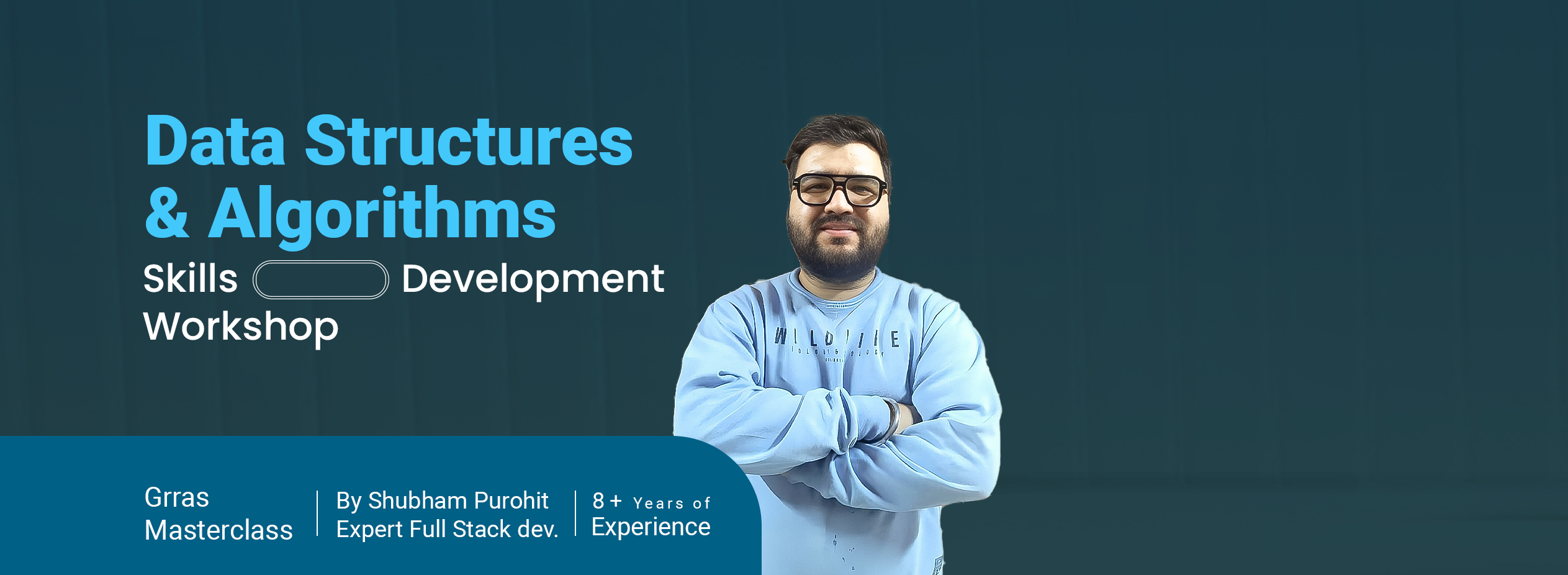
Master Backtracking: From Basics to Advanced for SDEs
1st Nov, Sat
06:25 PM - 12:53 PM
2250 registered
ISO-certified
AI Powered

Unlock your potential with the Azure DevOps Mastery course at Grras Solutions! Learn from industry experts and gain hands-on skills in modern DevOps practices, including CI/CD pipelines, infrastructure as code, and containerization

150k+ Placemenets to Date

600+ Hiring Partners

76 Lakhs Highest Annual

Next Batch starts in November


With 75–80 hours of comprehensive training, this curriculum includes 72+ live technical sessions and 8 value-added sessions delivered through a flexible online format. Gain hands-on expertise in CI/CD pipelines, GitHub integration, Docker, Kubernetes, and modern DevOps workflows to build, automate, and deploy at scale.
 Timeline: 75–80 hours of intensive training Format: Interactive live sessions with practical labs Platform: User-friendly online learning environment Coverage: CI/CD pipelines, GitHub integration, Docker, and Kubernetes Approach: Hands-on learning with real-world applications Aspiring IT professionals eager to enter the DevOps field Software developers looking to enhance their development lifecycle skills System administrators transitioning to cloud and DevOps practices Business analysts interested in adopting DevOps principles Recent IT graduates seeking specialized DevOps and cloud skills Industry professionals aiming to upskill and stay competitive CI/CD Pipeline Management: Build and manage efficient continuous integration and deployment workflows Containerization: Deploy and manage containerized applications using Docker and Kubernetes Version Control Mastery: Gain comprehensive knowledge of GitHub and modern source-control practices Infrastructure as Code: Implement scalable, automated, and reusable infrastructure solutions DevOps Methodologies: Master Agile and DevOps principles for continuous improvement and delivery Azure Platform Expertise: Achieve proficiency in Microsoft Azure DevOps tools and cloud environments
Our carefully designed curriculum empowers you with current industry practices and extensive hands-on experience in Azure DevOps, ensuring you are fully job-ready and competitive in the evolving IT landscape.





Engage in comprehensive projects that simulate actual industry scenarios, allowing you to practically apply your skills in building, deploying, and managing applications using Azure DevOps tools and methodologies.
Skills You'll Gain: System monitoring & observability Centralized logging & visualization Alerting & notifications Performance optimization Description:For this final project, students will set up monitoring and logging systems for a production-grade system. They will use Prometheus to gather system metrics, and Grafana to show them in detailed dashboards. The ELK…
Skills You'll Gain: Infrastructure as Code (IaC) Declarative configuration management Automated provisioning Scalable infrastructure deployment Description: Students will learn Infrastructure as Code by using Terraform and Ansible to set up and manage cloud resources in this project. Terraform will be used to set up scalable infrastructure such as virtual networks,…
Skills You'll Gain: CI/CD fundamentals Jenkins pipeline scripting Git & version control integration Automated testing & deployment Description: This project teaches learners about continuous integration and continuous deployment by having them build a full CI/CD pipeline with Jenkins. Students will combine GitHub repositories, set up automated builds, and run unit…
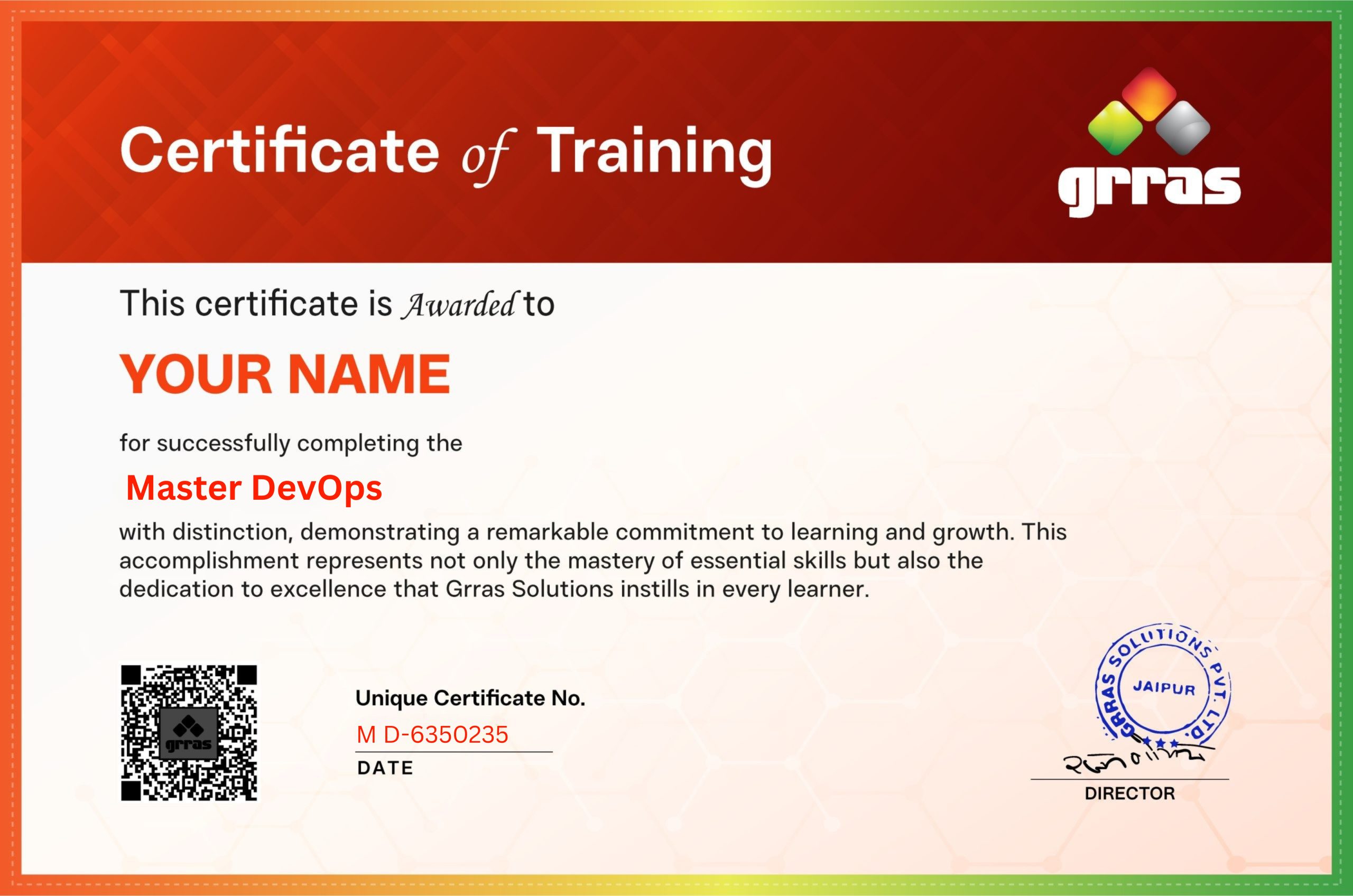
Grras Solutions offers an Azure DevOps certification that is recognized in the industry and proves that you know how to use CI/CD pipelines, Infrastructure as Code, Kubernetes, and automation with Microsoft Azure. This certification shows that you can handle enterprise-level DevOps workflows and secure cloud deployments.
Employers value certified professionals who have worked on real projects, so this credential is a great way to boost your resume and open up Azure DevOps Engineer positions and cloud jobs around the world.

Professionals Trained

Countries & Counting

Corporate Served
In today’s tech landscape, top global companies actively seek Azure DevOps professionals to drive efficiency and innovation across their operations.
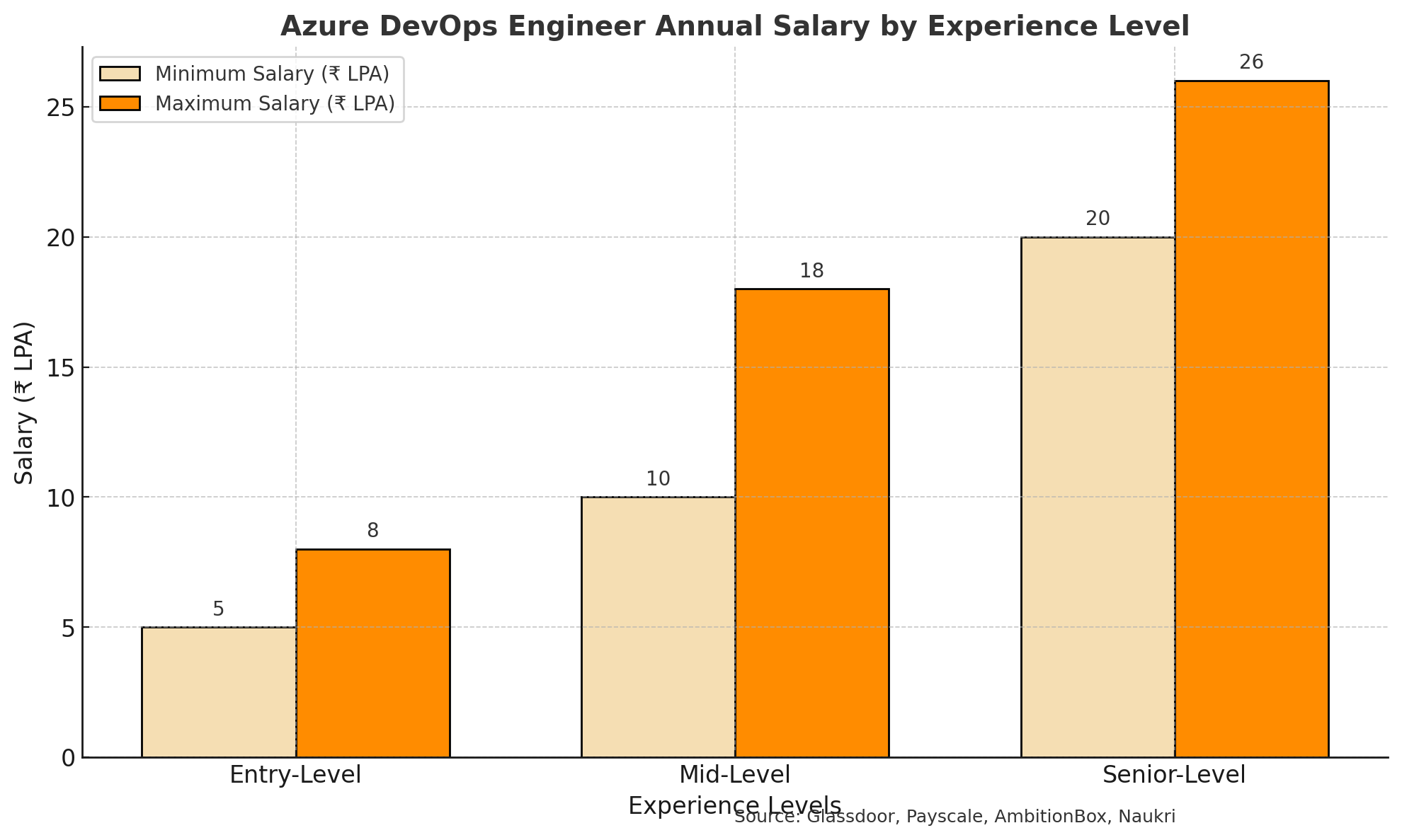
₹05–08 LPA (Entry-Level), ₹10–18 LPA (Mid-Level), ₹20+26LPA (Senior / Expert)

Azure DevOps Engineers design, build, and maintain CI/CD pipelines, integrate cloud services, manage deployments, and ensure delivery of scalable enterprise applications.
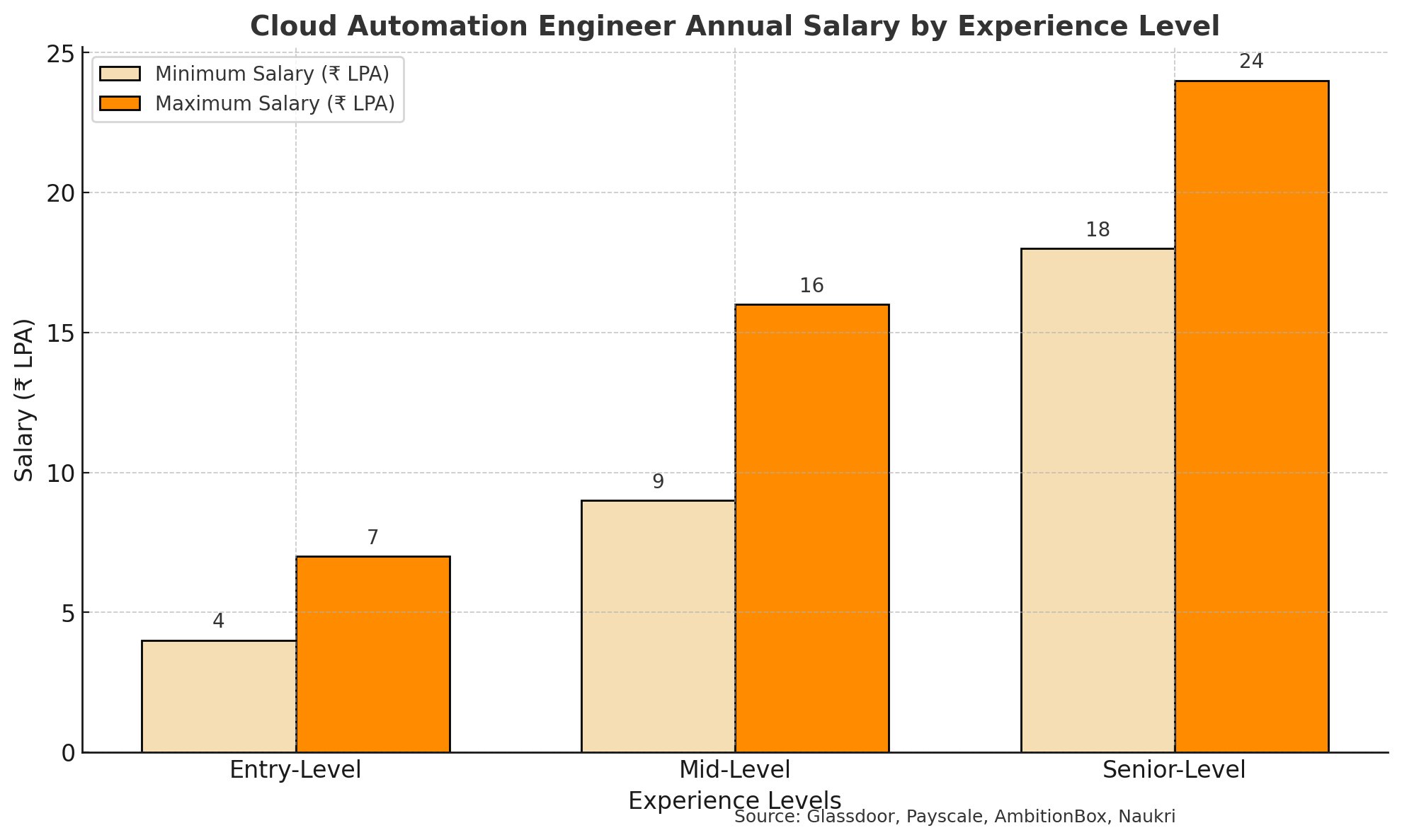
₹04–07 LPA (Entry-Level), ₹09–16 LPA (Mid-Level), ₹18+24 LPA (Senior / Expert)

Cloud Automation Engineers create automated workflows for provisioning, monitoring, and scaling resources on Microsoft Azure, ensuring efficiency, cost optimization, and reliability.
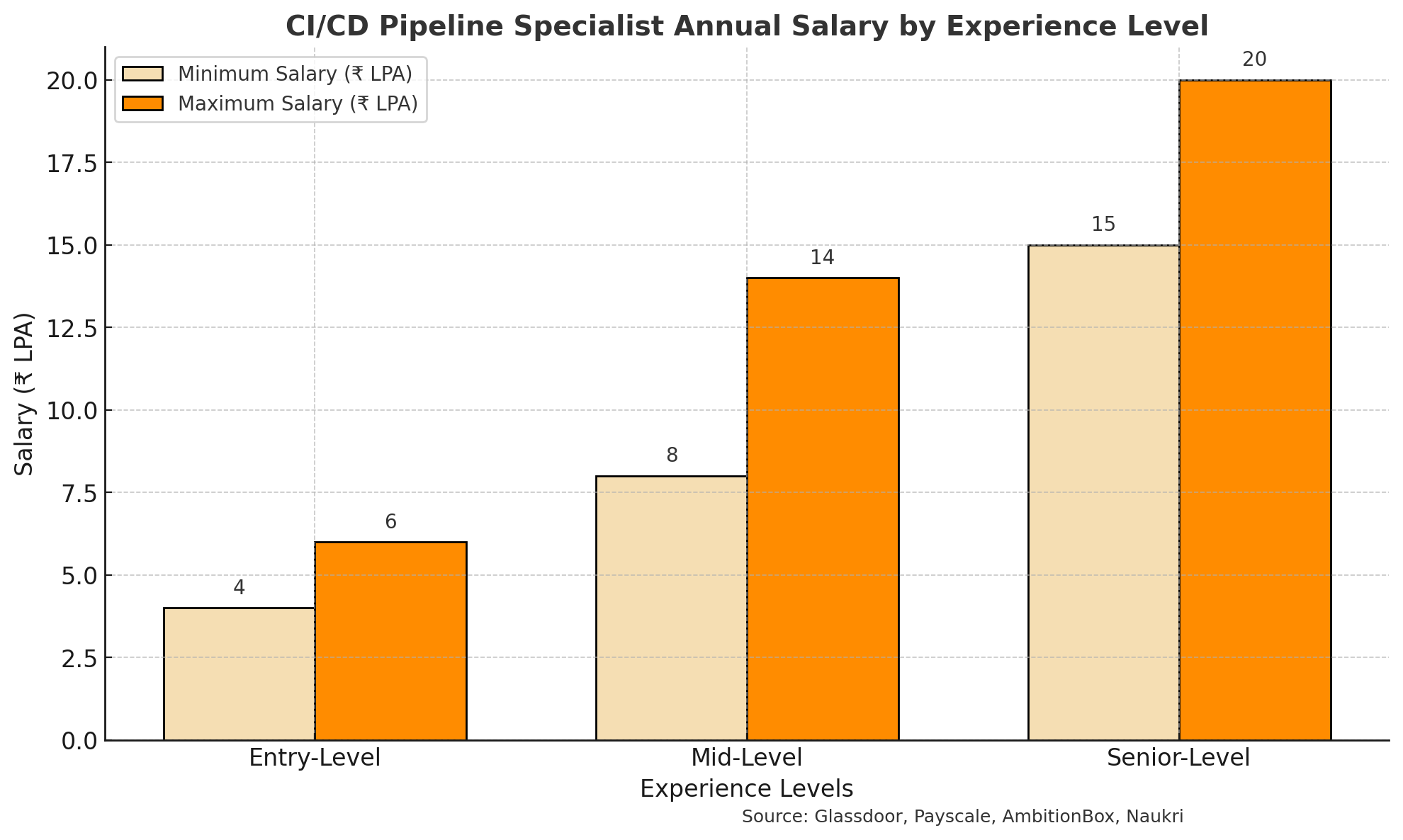
₹04–06 LPA (Entry-Level), ₹08–14 LPA (Mid-Level), ₹15+20 LPA (Senior / Expert)

CI/CD Pipeline Specialists design and manage automated build, testing, and deployment workflows using Azure Pipelines, GitHub Actions, and related DevOps tools.
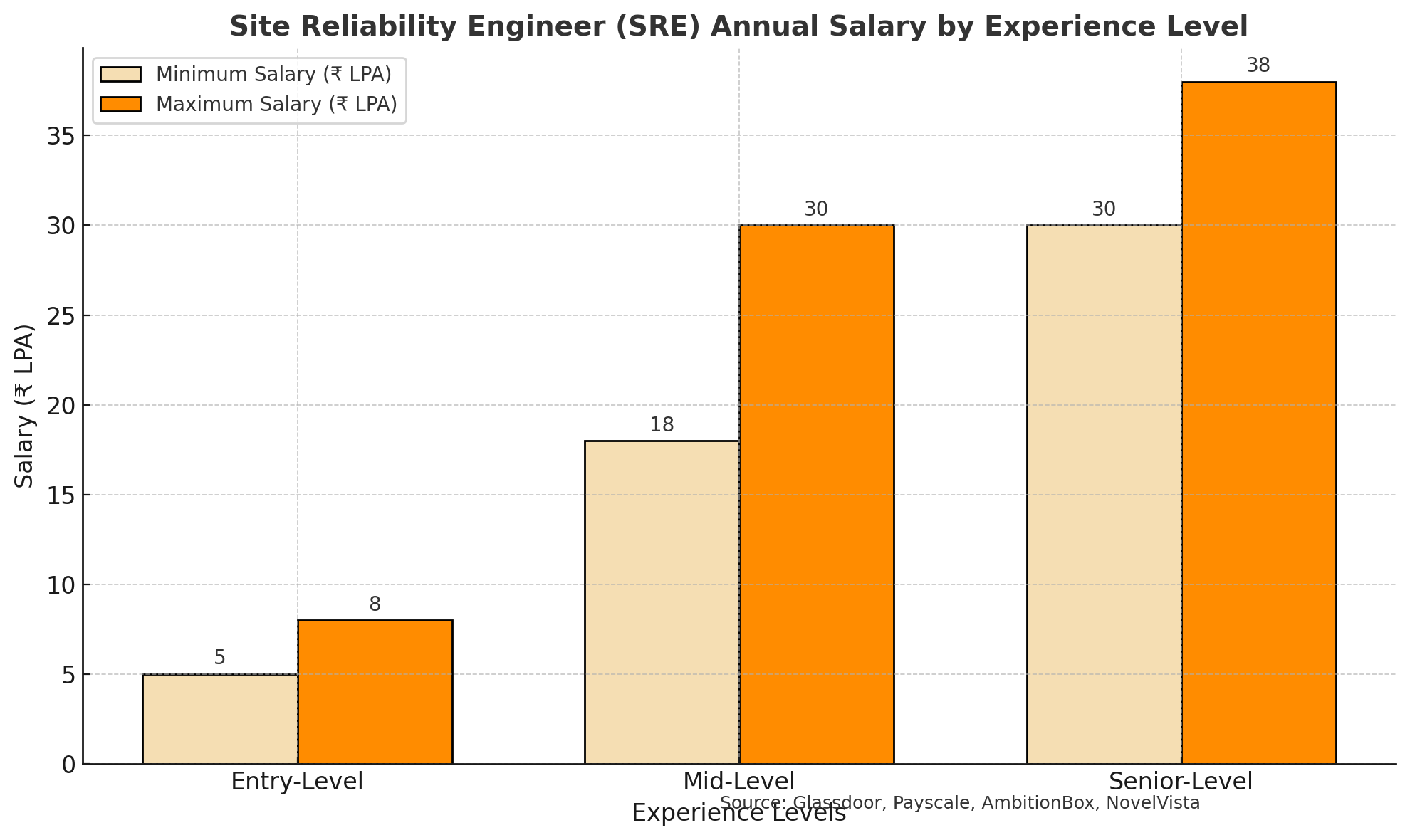
₹05–08 LPA (Entry-Level), ₹18–30 LPA (Mid-Level), ₹30+38LPA (Senior / Expert)

SREs focus on system reliability, performance monitoring, incident response, and automation, ensuring highly available and scalable systems within Azure cloud ecosystems.
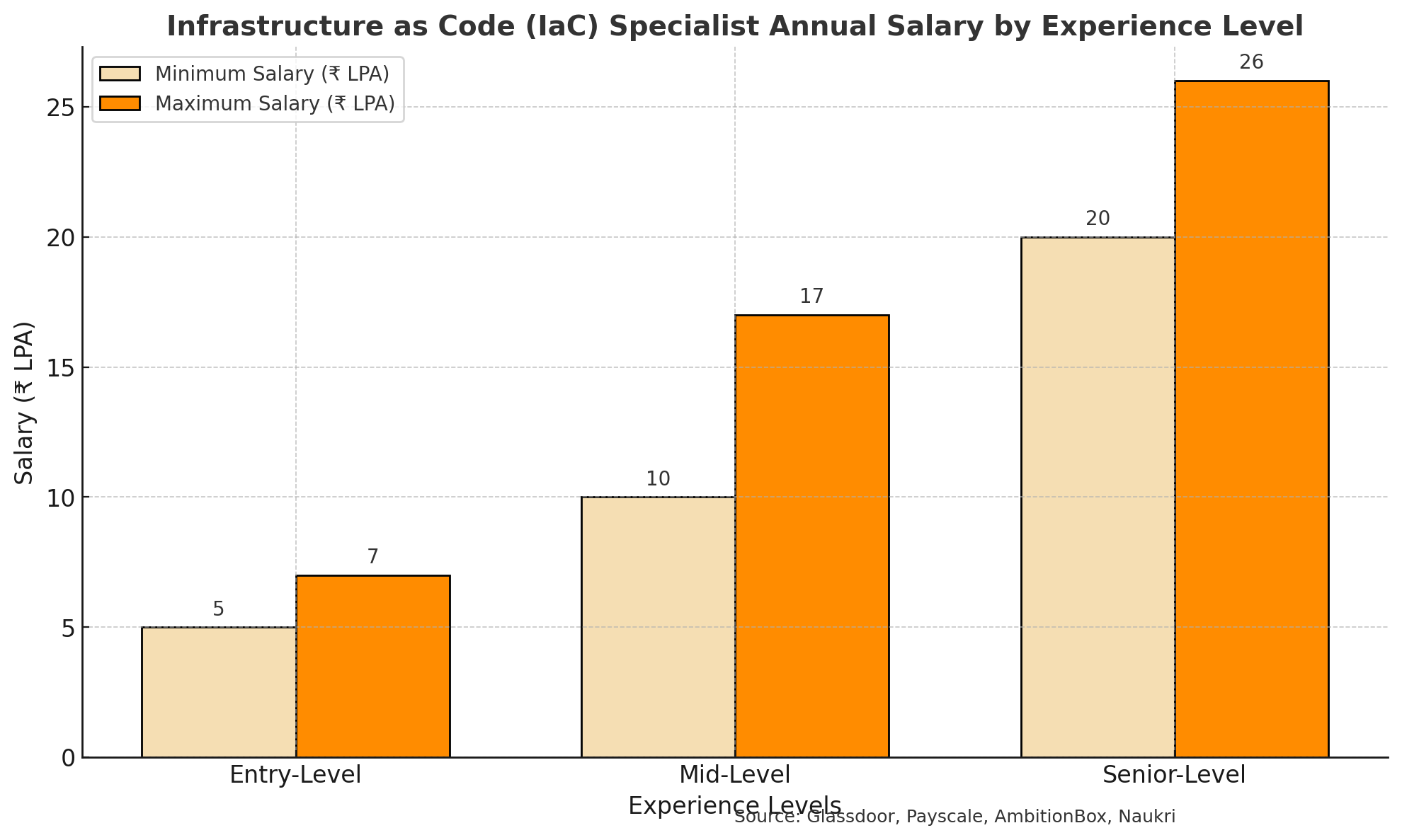
₹05–07 LPA (Entry-Level), ₹10–17 LPA (Mid-Level), ₹20+26LPA (Senior / Expert)

IaC Specialists use Terraform and ARM templates to provision and manage infrastructure in Azure, automating workflows and ensuring consistency across environments.
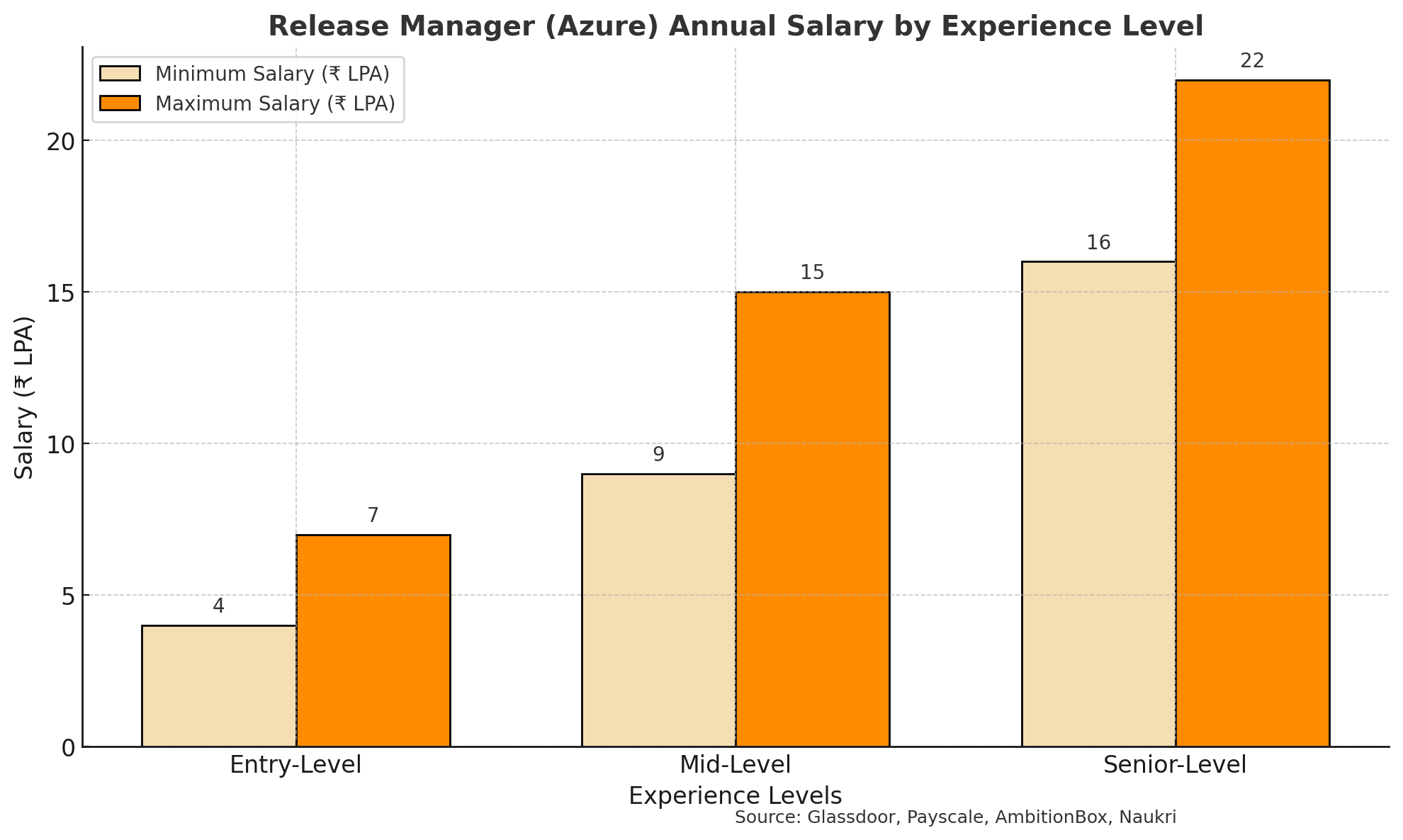
₹04–07 LPA (Entry-Level), ₹09–15 LPA (Mid-Level), ₹16+22 LPA (Senior / Expert)

Release Managers oversee build and deployment cycles, coordinate DevOps teams, manage risks, and ensure seamless delivery of software releases on Azure environments.
In today’s tech landscape, top global companies actively seek Azure DevOps professionals to drive efficiency and innovation across their operations.
₹05–08 LPA (Entry-Level), ₹10–18 LPA (Mid-Level), ₹20+26LPA (Senior / Expert)
Azure DevOps Engineers design, build, and maintain CI/CD pipelines, integrate cloud services, manage deployments, and ensure delivery of scalable enterprise applications.
₹04–07 LPA (Entry-Level), ₹09–16 LPA (Mid-Level), ₹18+24 LPA (Senior / Expert)
Cloud Automation Engineers create automated workflows for provisioning, monitoring, and scaling resources on Microsoft Azure, ensuring efficiency, cost optimization, and reliability.
₹04–06 LPA (Entry-Level), ₹08–14 LPA (Mid-Level), ₹15+20 LPA (Senior / Expert)
CI/CD Pipeline Specialists design and manage automated build, testing, and deployment workflows using Azure Pipelines, GitHub Actions, and related DevOps tools.
₹05–08 LPA (Entry-Level), ₹18–30 LPA (Mid-Level), ₹30+38LPA (Senior / Expert)
SREs focus on system reliability, performance monitoring, incident response, and automation, ensuring highly available and scalable systems within Azure cloud ecosystems.
₹05–07 LPA (Entry-Level), ₹10–17 LPA (Mid-Level), ₹20+26LPA (Senior / Expert)
IaC Specialists use Terraform and ARM templates to provision and manage infrastructure in Azure, automating workflows and ensuring consistency across environments.
₹04–07 LPA (Entry-Level), ₹09–15 LPA (Mid-Level), ₹16+22 LPA (Senior / Expert)
Release Managers oversee build and deployment cycles, coordinate DevOps teams, manage risks, and ensure seamless delivery of software releases on Azure environments.
Navigate your professional journey with a comprehensive guide that transforms learning into opportunity. Discover proven strategies to build skills, gain experience, and secure your ideal position in today’s competitive job market.
 Building Strong Foundation
Focus on industry-relevant skills

Real-world projects to implement learned concepts.

Weekly tests to assess progress

 Sharpening Interview Readiness
Mock sessions with real-time feedback from experts

Host industry experts for advanced technical guidance

Focus on problem-solving, critical thinking, and domain expertise

 Communication & Aptitude Skill Development
Through interactive classes, students enhance both verbal and non-verbal communication, while also learning to present their ideas clearly, confidently, and effectively.

Enhances students' problem-solving, analytical thinking, and numerical ability-preparing them for competitive exams and placement tests.
 Resume building masterclasses
Help students structure professional, impactful resumes

 Bridging the Gap
* Partner with top companies for hiring pipelines * Conduct webinars and sessions with recruiters
* Connect candidates to aligned opportunities * Organize hiring events and recruitment drives
 Advance interview boot camp
Equip students to handle high-pressure interview situations
Prepare students for various interview formats, including case studies, coding rounds, and group discussions
 Personalized 1:1 guidance
* Address specific weaknesses and barriers to success. * Develop personalized improvement plans
Focus on industry-relevant skills
Real-world projects to implement learned concepts.
Weekly tests to assess progress
Mock sessions with real-time feedback from experts
Host industry experts for advanced technical guidance
Focus on problem-solving, critical thinking, and domain expertise
Through interactive classes, students enhance both verbal and non-verbal communication, while also learning to present their ideas clearly, confidently, and effectively.
Enhances students' problem-solving, analytical thinking, and numerical ability-preparing them for competitive exams and placement tests.
Help students structure professional, impactful resumes
* Partner with top companies for hiring pipelines * Conduct webinars and sessions with recruiters
* Connect candidates to aligned opportunities * Organize hiring events and recruitment drives
Equip students to handle high-pressure interview situations
Prepare students for various interview formats, including case studies, coding rounds, and group discussions
* Address specific weaknesses and barriers to success. * Develop personalized improvement plans









The demand for skilled data science professionals is skyrocketing as industries leverage data to gain strategic insights and optimize operations. Frompredictive analytics to AI-powered solutions, data science is transforming business.
Master a curriculum crafted and constantly updated by industry experts to match real-world trends, ensuring every concept and project builds job-ready, future-proof skills.
Receive one-on-one mentorship, resume reviews, mock interviews, and complete placement assistance through our 500+ hiring partners to accelerate your tech career.
Learn directly from certified professionals with years of hands-on experience who guide you through every module, project, and career milestone personally.
Gain practical exposure by working on live, industry-grade projects that mirror real business challenges, strengthening your technical execution and problem-solving abilities.
Join thousands of successful learners who have launched rewarding tech careers through Grras. Our consistent placement results, trusted partnerships, and alumni success stories speak for the quality of our training.
Our extensive network of hiring partners spans various industries, offering diverse opportunities to kickstart your career.

























Yes, expert mentors can help you with your Azure DevOps career by giving you advice on assignments, explaining ideas, sharing best practices, and more.
Yes, you will be able to work together, share information, and make important business connections by joining webinars, workshops, and communities.
Yes, alumni networks that last a lifetime and access to resources at all times will help you grow your Azure DevOps career.
Yes, it gives people who want to change careers the practical Azure DevOps skills, projects, and certifications they need to do so smoothly.
Because of training led by experts, learning by doing, recognized certification, help finding jobs, and a track record of helping people get Azure DevOps jobs.
Yes, you will get a certification that is recognized by the industry and shows that you know how to use CI/CD, Kubernetes, and IaC. This will help you get a better job.
Yes, employers see it as proof that you can use Microsoft Azure to build, manage, and secure DevOps workflows, which makes you more likely to get hired.
In IT companies, you can work as an Azure DevOps Engineer, SRE, Cloud Automation Engineer, IaC Specialist, CI/CD Pipeline Specialist, or Release Manager.
Yes, placement support includes help with writing your resume, getting ready for interviews, and finding jobs in DevOps and cloud automation.
Yes, a lot of businesses use Azure DevOps, so it’s one of the most sought-after cloud automation and DevOps skills in the world.
Some of the projects are setting up CI/CD pipelines, deploying microservices in containers, using Terraform for IaC, and making monitoring dashboards with Azure Monitor.
Yes, all of the projects are ready for your portfolio. They show that you know how to use Azure DevOps for CI/CD pipelines, Kubernetes, and Terraform in a professional setting.
Yes, you’ll use Terraform and ARM templates to automate Azure infrastructure. This will let you test enterprise-level provisioning and deployment scenarios in real DevOps workflows.
Yes, students use AKS and Kubernetes to deploy scalable microservices, which gives them real-world experience with container orchestration and cluster management.
Yes, students use Azure Monitor and Log Analytics in their projects to fully monitor, get insights, and fix problems with deployed apps.
Yes, both types are available. Students can choose between traditional classroom training and interactive online classes, depending on what works best for them.
Yes, professionals can learn Azure DevOps while still working because they can set their own hours. This helps them grow steadily in their cloud and automation careers.
Yes, we record all of the sessions. Students can use recordings, study notes, and project assignments on the learning platform to go over topics they missed at any time.
Yes, students can access course notes, project files, and recordings for life, so they can always review and improve their skills.
Yes, certified Azure DevOps experts help students learn by explaining ideas, guiding projects, fixing problems, and helping them plan their careers throughout the program.
You will learn how to use Azure DevOps, GitHub Actions, Terraform, Docker, Kubernetes, ARM templates, Jenkins, and monitoring tools like Azure Monitor and Log Analytics.
Yes, this training includes pipelines, Terraform, and ARM templates, which will help you become an expert in Azure CI/CD automation and infrastructure provisioning.
Yes, projects include setting up CI/CD pipelines, deploying microservices on AKS, using Terraform to automate infrastructure, and adding monitoring tools to Azure DevOps.
Yes, you will learn how to use Docker to containerize apps and Kubernetes to orchestrate them on Azure Kubernetes Service (AKS). You will also learn how to build scalable apps that work in the real world.
Yes, the course shows how to use GitHub, Jenkins, and Azure Pipelines together to automate deployment workflows in hybrid cloud environments.
This class covers CI/CD pipelines, Infrastructure as Code, Kubernetes, and Azure monitoring. It helps students make, automate, and run business-level apps in a smart way.
This course is for anyone who wants to learn how to automate DevOps and deploy apps to the cloud. This includes IT professionals, developers, administrators, DevOps engineers, and testers.
No, you don’t need to know anything about Azure DevOps before. It’s helpful to know some basic things about the cloud or scripting, but everything is explained step by step.
You can be an Azure DevOps Engineer, a Site Reliability Engineer, a Cloud Automation Engineer, a CI/CD Pipeline Specialist, an IaC Specialist, or a Release Manager.
Yes, it helps students and graduates learn real-world Azure DevOps skills, finish projects, and get certified, which makes it more likely that they will get jobs in cloud automation.
Yes, expert mentors can help you with your Azure DevOps career by giving you advice on assignments, explaining ideas, sharing best practices, and more.
Yes, you will be able to work together, share information, and make important business connections by joining webinars, workshops, and communities.
Yes, alumni networks that last a lifetime and access to resources at all times will help you grow your Azure DevOps career.
Yes, it gives people who want to change careers the practical Azure DevOps skills, projects, and certifications they need to do so smoothly.
Because of training led by experts, learning by doing, recognized certification, help finding jobs, and a track record of helping people get Azure DevOps jobs.
Yes, you will get a certification that is recognized by the industry and shows that you know how to use CI/CD, Kubernetes, and IaC. This will help you get a better job.
Yes, employers see it as proof that you can use Microsoft Azure to build, manage, and secure DevOps workflows, which makes you more likely to get hired.
In IT companies, you can work as an Azure DevOps Engineer, SRE, Cloud Automation Engineer, IaC Specialist, CI/CD Pipeline Specialist, or Release Manager.
Yes, placement support includes help with writing your resume, getting ready for interviews, and finding jobs in DevOps and cloud automation.
Yes, a lot of businesses use Azure DevOps, so it’s one of the most sought-after cloud automation and DevOps skills in the world.
Some of the projects are setting up CI/CD pipelines, deploying microservices in containers, using Terraform for IaC, and making monitoring dashboards with Azure Monitor.
Yes, all of the projects are ready for your portfolio. They show that you know how to use Azure DevOps for CI/CD pipelines, Kubernetes, and Terraform in a professional setting.
Yes, you’ll use Terraform and ARM templates to automate Azure infrastructure. This will let you test enterprise-level provisioning and deployment scenarios in real DevOps workflows.
Yes, students use AKS and Kubernetes to deploy scalable microservices, which gives them real-world experience with container orchestration and cluster management.
Yes, students use Azure Monitor and Log Analytics in their projects to fully monitor, get insights, and fix problems with deployed apps.
Yes, both types are available. Students can choose between traditional classroom training and interactive online classes, depending on what works best for them.
Yes, professionals can learn Azure DevOps while still working because they can set their own hours. This helps them grow steadily in their cloud and automation careers.
Yes, we record all of the sessions. Students can use recordings, study notes, and project assignments on the learning platform to go over topics they missed at any time.
Yes, students can access course notes, project files, and recordings for life, so they can always review and improve their skills.
Yes, certified Azure DevOps experts help students learn by explaining ideas, guiding projects, fixing problems, and helping them plan their careers throughout the program.
You will learn how to use Azure DevOps, GitHub Actions, Terraform, Docker, Kubernetes, ARM templates, Jenkins, and monitoring tools like Azure Monitor and Log Analytics.
Yes, this training includes pipelines, Terraform, and ARM templates, which will help you become an expert in Azure CI/CD automation and infrastructure provisioning.
Yes, projects include setting up CI/CD pipelines, deploying microservices on AKS, using Terraform to automate infrastructure, and adding monitoring tools to Azure DevOps.
Yes, you will learn how to use Docker to containerize apps and Kubernetes to orchestrate them on Azure Kubernetes Service (AKS). You will also learn how to build scalable apps that work in the real world.
Yes, the course shows how to use GitHub, Jenkins, and Azure Pipelines together to automate deployment workflows in hybrid cloud environments.
This class covers CI/CD pipelines, Infrastructure as Code, Kubernetes, and Azure monitoring. It helps students make, automate, and run business-level apps in a smart way.
This course is for anyone who wants to learn how to automate DevOps and deploy apps to the cloud. This includes IT professionals, developers, administrators, DevOps engineers, and testers.
No, you don’t need to know anything about Azure DevOps before. It’s helpful to know some basic things about the cloud or scripting, but everything is explained step by step.
You can be an Azure DevOps Engineer, a Site Reliability Engineer, a Cloud Automation Engineer, a CI/CD Pipeline Specialist, an IaC Specialist, or a Release Manager.
Yes, it helps students and graduates learn real-world Azure DevOps skills, finish projects, and get certified, which makes it more likely that they will get jobs in cloud automation.



Copyright © 2026 GRRAS Solutions Pvt. Ltd.









 Whatsapp us
 Call us
 Enquire Now