



Master Backtracking: From Basics to Advanced for SDEs
1st Nov, Sat
06:25 PM - 12:53 PM
2250 registered
ISO-certified
AI Powered

Master Kubernetes administration with the industry-recognized CKA certification from CNCF and The Linux Foundation. This comprehensive hands-on training equips you with practical skills to design, deploy, and manage scalable containerized applications in production environments. Gain expertise through real-world scenarios and performance-based learning to become a sought-after Certified Kubernetes Administrator.

150k+ Placemenets to Date

600+ Hiring Partners

76 Lakhs Highest Annual

Next Batch starts in November


This comprehensive Kubernetes curriculum at Grras Ahmedabad covers everything from container fundamentals to advanced cluster operations. Learn Kubernetes architecture, deployment, networking, security, scaling, and monitoring through structured modules, hands-on labs, and real-world scenarios practiced in our state-of-the-art Ahmedabad training facility.
 Regular Mode: 32 hours across 30 days with flexible pacingFast-Track Mode: 32 hours completed in just 4 daysWeekend Batches: Available for Ahmedabad working professionalsFlexible Timings: Morning & evening sessions to suit all schedulesSystem Administrators in Ahmedabad & Gujarat transitioning to container orchestration and cloud-native environmentsDevOps Engineers aiming to master Kubernetes for deployment automation and infrastructure managementCloud Architects designing scalable microservices-based applications on Kubernetes platformsIT Professionals from Ahmedabad’s corporate & FinTech sector moving to modern cloud-native infrastructure rolesStudents from IIT Gandhinagar, DAIICT, Nirma, GTU & other Ahmedabad institutions learning Kubernetes deployment & scalingCareer switchers looking to enter cloud infrastructure & container management rolesKubernetes Architecture: Understand master nodes, schedulers, API server, etcd, and worker nodes through live practice in Ahmedabad labsPod & Deployment Management: Create and manage pods, deployments & YAML configurations with real-world scenariosScaling & Load Balancing: Implement services, ingress controllers & replication for scalable applications across Ahmedabad, GIFT City, and beyondStorage & Volume Management: Work with persistent volumes, claims, and storage solutions for stateful applicationsNetworking & Security: Configure pod networking, network policies, RBAC, authentication & TLS certificates for secure clustersMonitoring & Troubleshooting: Implement monitoring tools, analyze logs & troubleshoot production-level Kubernetes applications
Dive deep into Kubernetes fundamentals and advanced administration practices. Our structured curriculum progresses from Docker containerization basics through Kubernetes architecture, deployment strategies, networking, storage solutions, security implementations, and production monitoring. Each module combines theoretical knowledge with hands-on lab exercises on real infrastructure.






Apply your expertise through real-world capstone projects including multi-container deployments with custom networking, scalable applications with resource limits, secure clusters with RBAC and TLS, persistent storage configurations, and end-to-end monitoring with logging solutions.
Skills You'll Gain: Automating builds with Jenkins pipelines Deploying apps to Kubernetes Integrating Docker images Managing secrets securely End-to-end DevOps automation Description: This project shows how to automate software delivery by connecting Kubernetes with Jenkins CI/CD pipelines. Students set up Jenkins to make Docker images from code repositories, run automated…
Skills You'll Gain: Monitoring cluster resources Configuring Prometheus metrics Creating Grafana dashboards Setting alerts and probes Observability best practices Description: This project is about using Prometheus and Grafana to make Kubernetes more observable. You will set up Prometheus to collect metrics from pods, nodes, and system components, and then you will…
Skills You'll Gain: Cluster setup and configuration Using kubeadm for initialization Managing nodes and workloads Applying YAML for deployments Administering Kubernetes objects Description: This project gives students hands-on experience with building a Kubernetes cluster from the ground up. Using kubeadm, you will set up the control plane and worker nodes,…
Grras Solutions offers Kubernetes CKA certification training that is recognized by the industry and is meant for DevOps careers around the world. This certification proves that you know how to manage clusters, fix problems, orchestrate containers, and keep them safe. Taking the course will get you ready for the CNCF CKA exam and show that you know what you’re doing, which employers trust.
Getting certified gives you an edge in Kubernetes jobs, speeds up your cloud-native career, and gives you the confidence to look for jobs as a Kubernetes Administrator, Site Reliability Engineer, or DevOps professional anywhere in the world.

Professionals Trained

Countries & Counting

Corporate Served

Our comprehensive curriculum spans from container fundamentals to advanced Kubernetes operations, covering architecture, deployment, networking, security, and monitoring. The program is structured to progressively build expertise through hands-on labs and real-world scenarios.
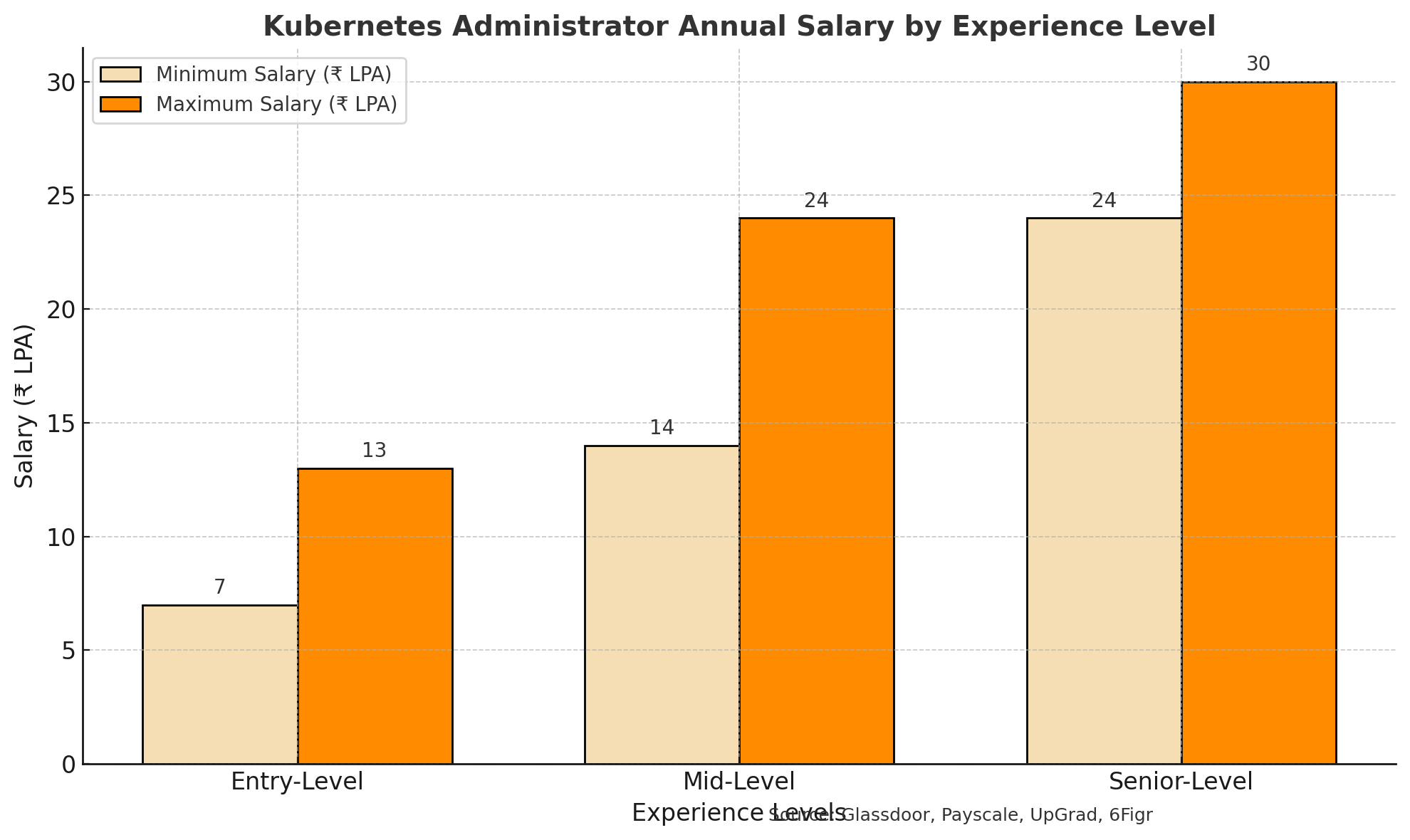
₹7–13 LPA (Entry), ₹14–24 LPA (Mid), ₹24–30+ LPA (Senior)

Google, Microsoft, Amazon, Red Hat, Flipkart, TCS, Infosys
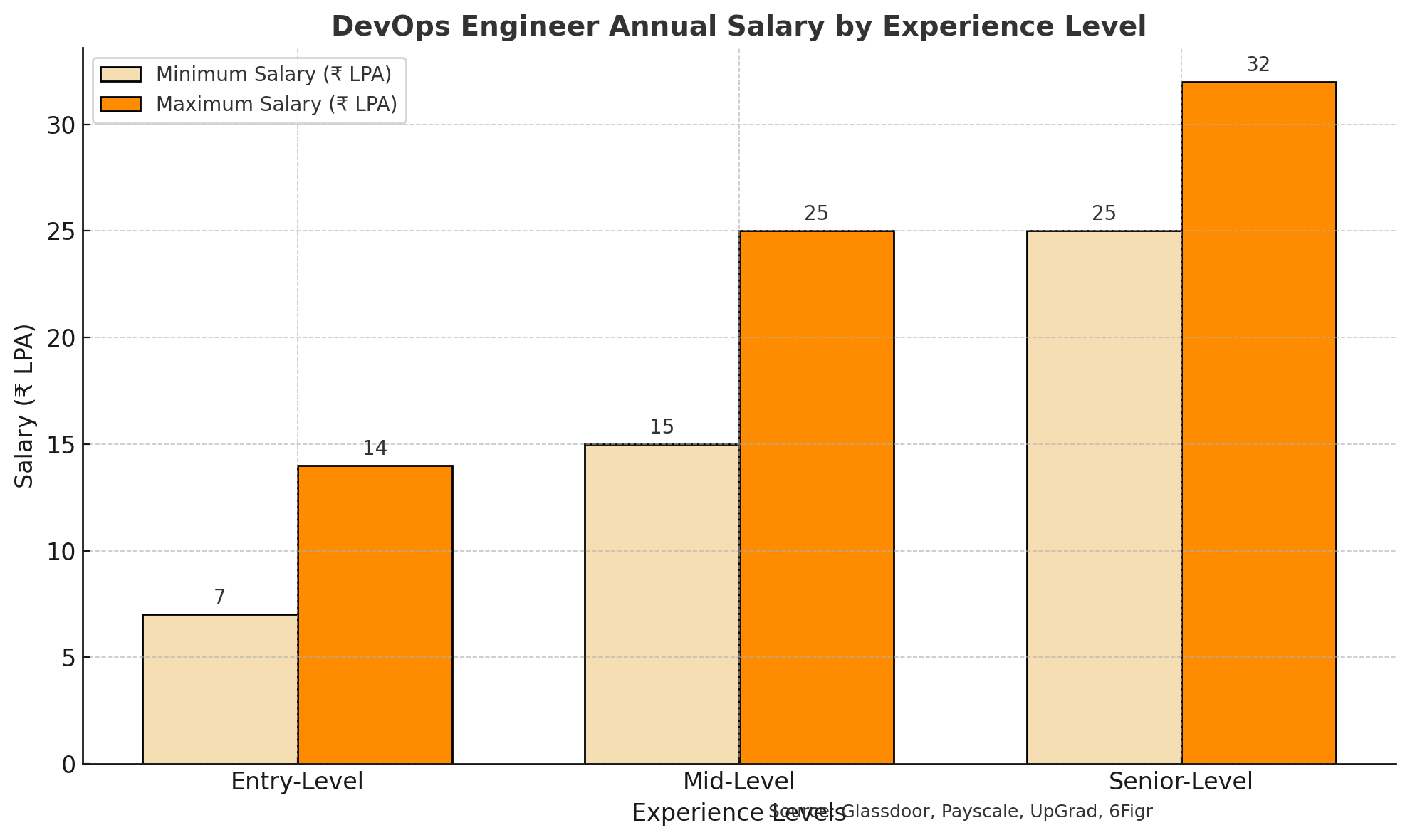
₹6–12 LPA (Entry), ₹12–22 LPA (Mid), ₹22–28+ LPA (Senior)
Amazon, Netflix, Accenture, Deloitte, IBM, Cognizant, Capgemini
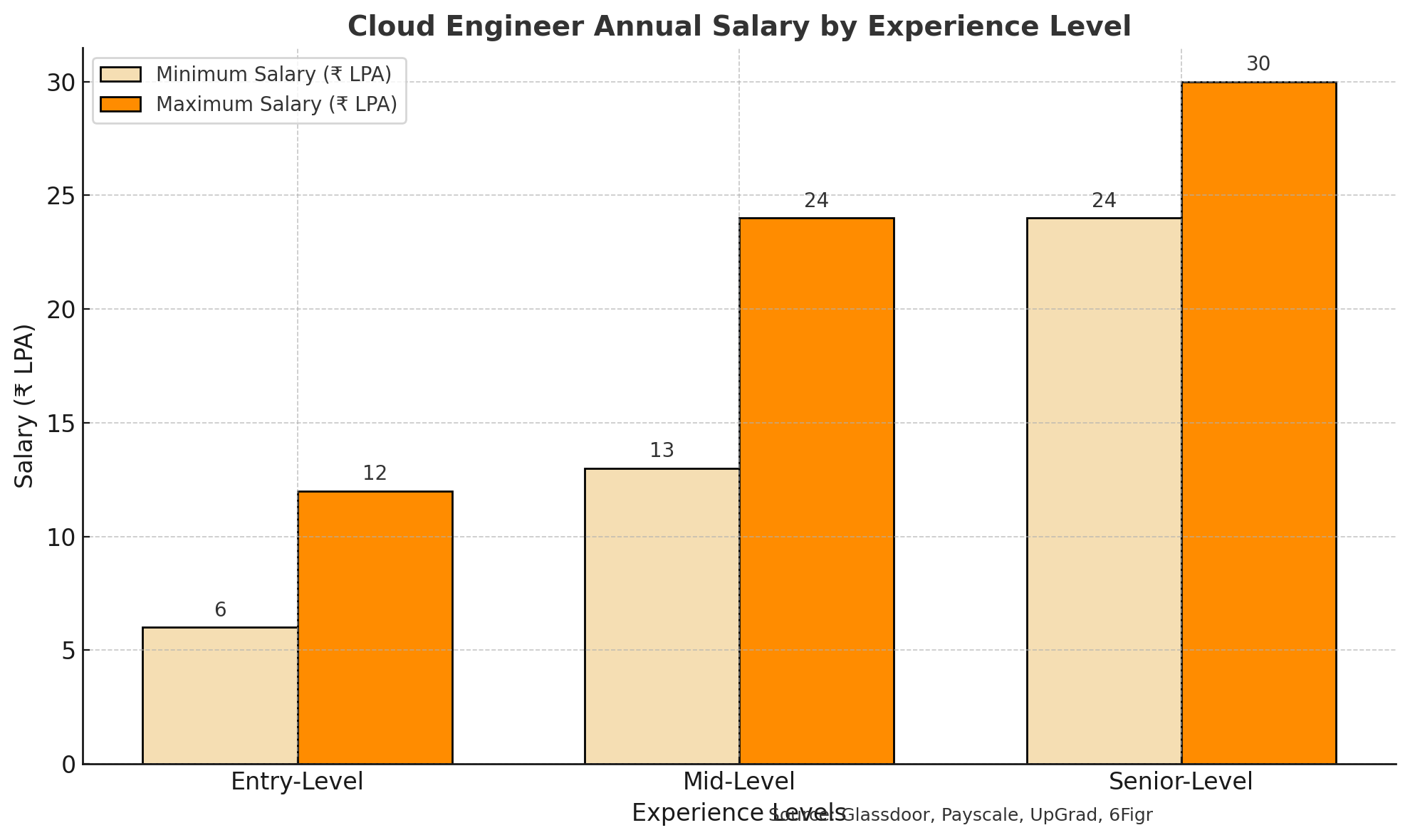
₹5–10 LPA (Entry), ₹10–18 LPA (Mid), ₹18–25+ LPA (Senior)

AWS, Microsoft Azure, Google Cloud, Oracle, Wipro, HCL, Tech Mahindra
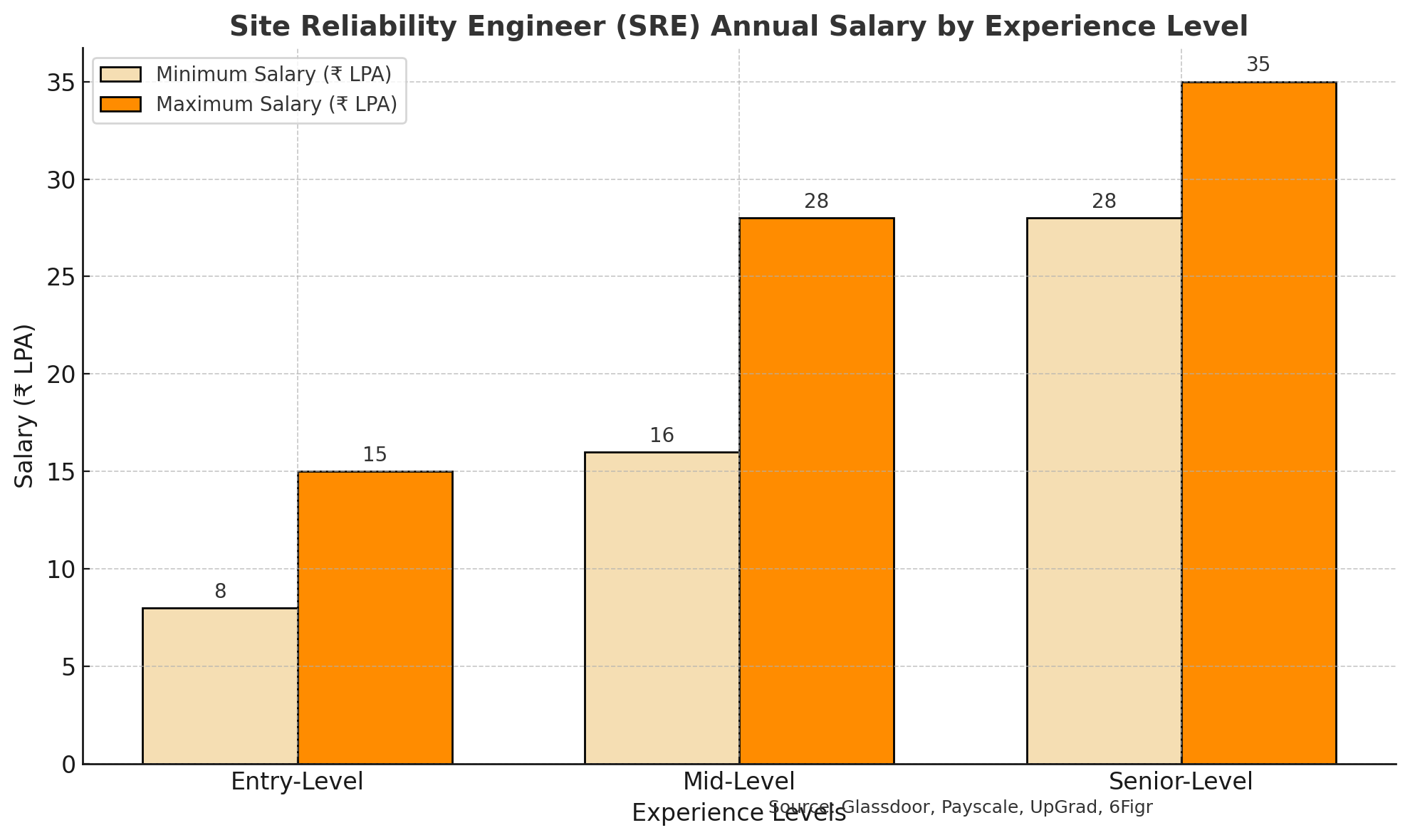
₹10–18 LPA (Entry), ₹18–28 LPA (Mid), ₹28–40+ LPA (Senior)

Google, Uber, LinkedIn, Paytm, Razorpay, Swiggy, Cisco
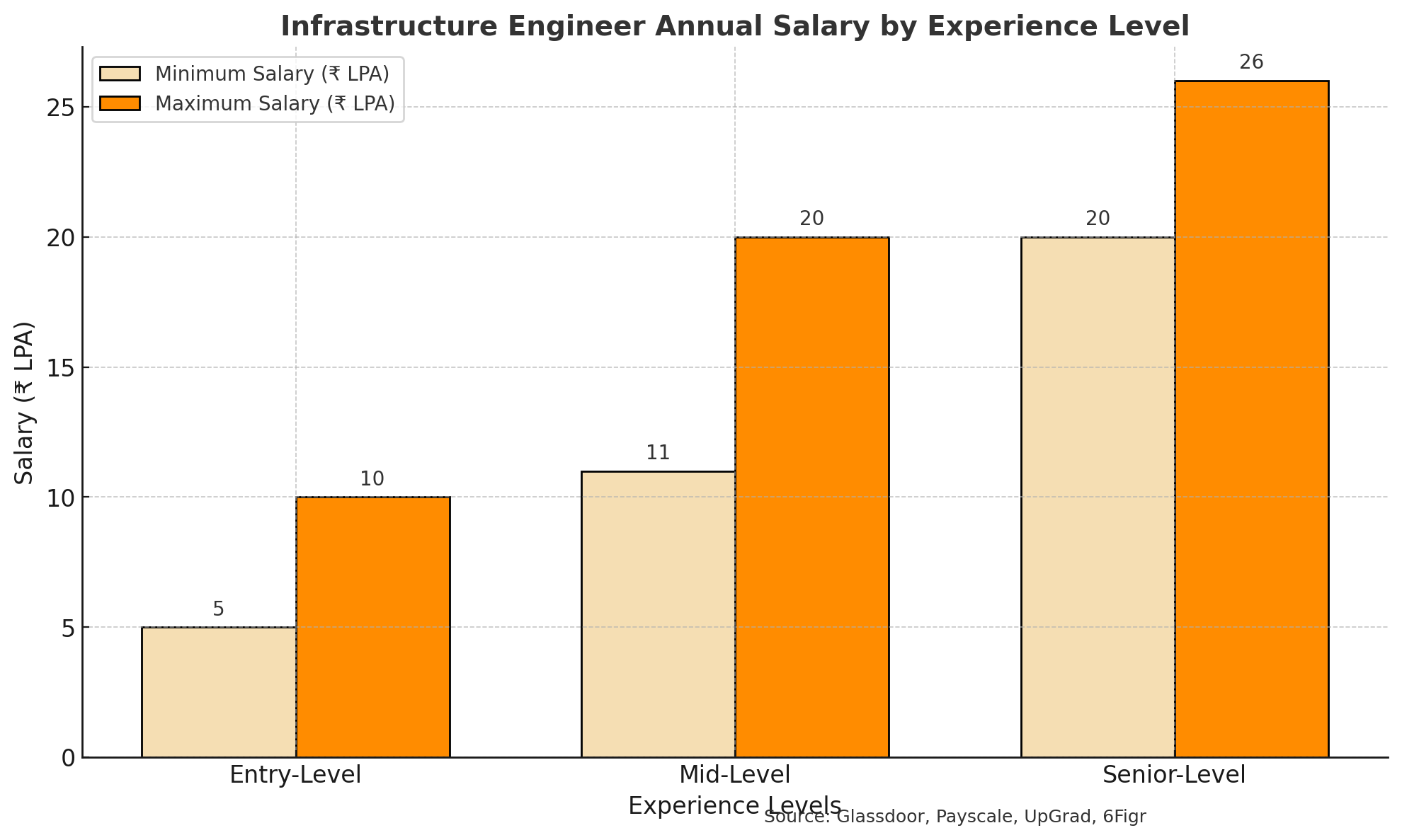
₹6–11 LPA (Entry), ₹11–18 LPA (Mid), ₹18–24+ LPA (Senior)

Infosys, Dell, HP, Red Hat, Oracle, TCS, Wipro
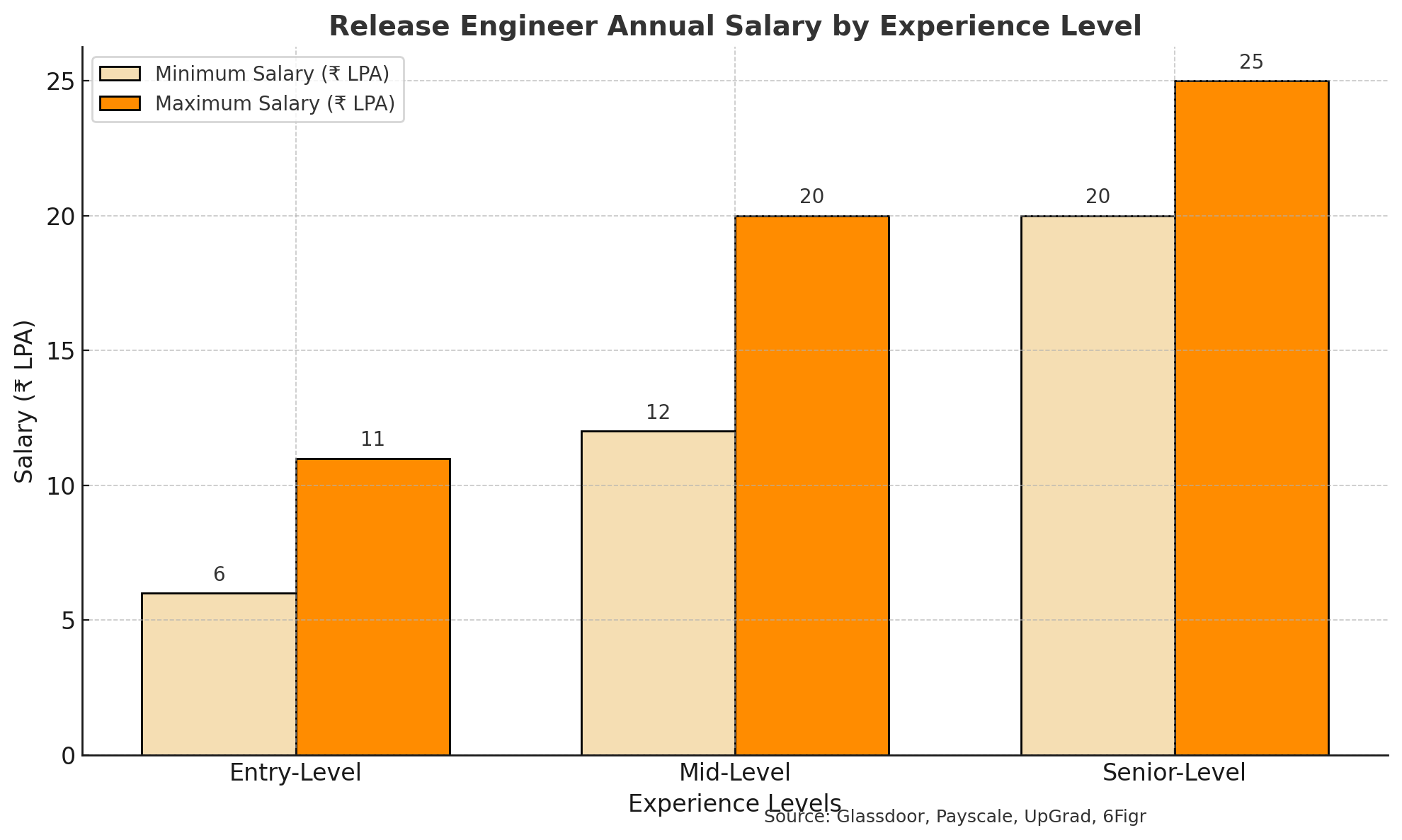
₹5–9 LPA (Entry), ₹9–14 LPA (Mid), ₹14–20+ LPA (Senior)

Adobe, VMware, Salesforce, IBM, Oracle, HCL, Accenture
Our comprehensive curriculum spans from container fundamentals to advanced Kubernetes operations, covering architecture, deployment, networking, security, and monitoring. The program is structured to progressively build expertise through hands-on labs and real-world scenarios.
₹7–13 LPA (Entry), ₹14–24 LPA (Mid), ₹24–30+ LPA (Senior)
Google, Microsoft, Amazon, Red Hat, Flipkart, TCS, Infosys
₹6–12 LPA (Entry), ₹12–22 LPA (Mid), ₹22–28+ LPA (Senior)
Amazon, Netflix, Accenture, Deloitte, IBM, Cognizant, Capgemini
₹5–10 LPA (Entry), ₹10–18 LPA (Mid), ₹18–25+ LPA (Senior)
AWS, Microsoft Azure, Google Cloud, Oracle, Wipro, HCL, Tech Mahindra
₹10–18 LPA (Entry), ₹18–28 LPA (Mid), ₹28–40+ LPA (Senior)
Google, Uber, LinkedIn, Paytm, Razorpay, Swiggy, Cisco
₹6–11 LPA (Entry), ₹11–18 LPA (Mid), ₹18–24+ LPA (Senior)
Infosys, Dell, HP, Red Hat, Oracle, TCS, Wipro
₹5–9 LPA (Entry), ₹9–14 LPA (Mid), ₹14–20+ LPA (Senior)
Adobe, VMware, Salesforce, IBM, Oracle, HCL, Accenture
Navigate your professional journey with a comprehensive guide that transforms learning into opportunity. Discover proven strategies to build skills, gain experience, and secure your ideal position in today’s competitive job market.
 Building Strong Foundation
Focus on industry-relevant skills

Real-world projects to implement learned concepts.

Weekly tests to assess progress

 Sharpening Interview Readiness
Mock sessions with real-time feedback from experts

Host industry experts for advanced technical guidance

Focus on problem-solving, critical thinking, and domain expertise

 Communication & Aptitude Skill Development
Through interactive classes, students enhance both verbal and non-verbal communication, while also learning to present their ideas clearly, confidently, and effectively.

Enhances students' problem-solving, analytical thinking, and numerical ability-preparing them for competitive exams and placement tests.
 Resume building masterclasses
Help students structure professional, impactful resumes

 Bridging the Gap
* Partner with top companies for hiring pipelines * Conduct webinars and sessions with recruiters
* Connect candidates to aligned opportunities * Organize hiring events and recruitment drives
 Advance interview boot camp
Equip students to handle high-pressure interview situations
Prepare students for various interview formats, including case studies, coding rounds, and group discussions
 Personalized 1:1 guidance
* Address specific weaknesses and barriers to success. * Develop personalized improvement plans
Focus on industry-relevant skills
Real-world projects to implement learned concepts.
Weekly tests to assess progress
Mock sessions with real-time feedback from experts
Host industry experts for advanced technical guidance
Focus on problem-solving, critical thinking, and domain expertise
Through interactive classes, students enhance both verbal and non-verbal communication, while also learning to present their ideas clearly, confidently, and effectively.
Enhances students' problem-solving, analytical thinking, and numerical ability-preparing them for competitive exams and placement tests.
Help students structure professional, impactful resumes
* Partner with top companies for hiring pipelines * Conduct webinars and sessions with recruiters
* Connect candidates to aligned opportunities * Organize hiring events and recruitment drives
Equip students to handle high-pressure interview situations
Prepare students for various interview formats, including case studies, coding rounds, and group discussions
* Address specific weaknesses and barriers to success. * Develop personalized improvement plans









The demand for skilled data science professionals is skyrocketing as industries leverage data to gain strategic insights and optimize operations. Frompredictive analytics to AI-powered solutions, data science is transforming business.
Master a curriculum crafted and constantly updated by industry experts to match real-world trends, ensuring every concept and project builds job-ready, future-proof skills.
Receive one-on-one mentorship, resume reviews, mock interviews, and complete placement assistance through our 500+ hiring partners to accelerate your tech career.
Learn directly from certified professionals with years of hands-on experience who guide you through every module, project, and career milestone personally.
Gain practical exposure by working on live, industry-grade projects that mirror real business challenges, strengthening your technical execution and problem-solving abilities.
Join thousands of successful learners who have launched rewarding tech careers through Grras. Our consistent placement results, trusted partnerships, and alumni success stories speak for the quality of our training.
Our extensive network of hiring partners spans various industries, offering diverse opportunities to kickstart your career.

























Yes, throughout the Kubernetes CKA course, expert mentors will help you with projects, best practices, fixing problems, and growing your career.
Yes, students go to workshops, webinars, and online communities to work with Kubernetes experts and grow their DevOps network.
Yes, students can access alumni groups, resources, and instructor support for the rest of their lives to help them keep growing in their Kubernetes and DevOps careers.
Yes, the CKA course teaches people who want to change careers how to use Kubernetes, DevOps, and container orchestration to get high-paying cloud jobs.
Because of certified trainers, project-based learning, well-known certifications, career support, and the fact that students who learn Kubernetes consistently do well in their jobs and careers.
Yes, students get a Kubernetes CKA certification that is recognized by the industry and shows that they know how to work with DevOps. This opens up more job opportunities in container orchestration and cloud-native jobs.
Yes, employers look for Kubernetes CKA certification as proof that you know how to manage, troubleshoot, and orchestrate in the real world. This can help you get a job in DevOps.
People who have passed the certification exam can work as Kubernetes Administrators, DevOps Engineers, Site Reliability Engineers, Cloud Engineers, or Infrastructure Specialists in any field.
Yes, students get help with their resumes, interview prep, and access to job boards for Kubernetes and DevOps jobs.
Yes, Kubernetes is the main tool for managing containers, which is why it is one of the most sought-after DevOps and cloud-native skills in the world.
You will set up monitoring solutions, deploy clusters, configure workloads, and automate pipelines. This will give you real-world Kubernetes project experience that will help you in your DevOps career.
Yes, every Kubernetes project is ready for your portfolio. It shows that you can manage clusters, workloads, and orchestration in real-world business settings.
Yes, projects do things like deploying Kubernetes workloads, setting up scheduling, scaling pods, and making sure high availability, just like enterprise DevOps professionals do.
Yes, students set up monitoring with Prometheus and Grafana, set up health probes, and fix problems with pods, networks, and workloads in real time.
Yes, students connect Kubernetes to Jenkins pipelines, which automates the processes of building, testing, and deploying code for DevOps-ready orchestration.
You will learn how to use kubectl, kubeadm, YAML, Helm, and Kubernetes APIs, as well as monitoring tools like Prometheus and Grafana for container orchestration.
Yes, the CKA course starts with the basics of Kubernetes and then goes on to cover workloads, networking, storage, security, troubleshooting, and advanced DevOps integrations.
Yes, students do projects like setting up clusters, using Prometheus to keep an eye on things, and using Kubernetes and Jenkins to automate pipelines so they are ready for DevOps.
Yes, students learn about Kubernetes networking, which includes ClusterIP, NodePort, LoadBalancer, and Ingress controllers. This makes sure that applications can talk to each other and the outside world.
Yes, the CKA training covers how to use Jenkins, Docker, GitHub, and cloud platforms like AWS, Azure, and GCP to set up production-ready orchestration.
Yes, you can choose either option. Students can choose to take live, interactive online classes or go to Kubernetes training in a classroom, depending on what works best for them.
Yes, professionals can learn Kubernetes skills while working full-time because they can set their own hours. This helps DevOps and container orchestration careers keep growing.
Yes, all of the Kubernetes classes are recorded. The training gives students recordings, notes, and practice labs that they can use to go over or review topics they missed at any time.
Yes, students get lifetime access to course materials, recordings, and Kubernetes projects. This makes sure that they can keep learning for a long time to get their DevOps and CKA certifications.
Yes, certified Kubernetes teachers help students learn kubectl, fix problems with workloads, mentor projects, and get ready for their careers.
This course teaches how to manage Kubernetes, orchestrate containers, handle workloads, and fix problems. It helps students set up, run, and grow clusters in the same way in both DevOps and cloud environments.
This course is for anyone who wants to learn how to manage Kubernetes, containerized workloads, or get CKA certification. This includes IT professionals, cloud specialists, system administrators, and DevOps engineers.
No, you don’t need to have used Kubernetes before. It helps to know Linux, containers, or scripting, but the ideas behind Kubernetes are explained in small steps.
You could be a Kubernetes Administrator, DevOps Engineer, Site Reliability Engineer, Cloud Engineer, or Release Engineer if you work for companies that use Kubernetes.
Yes, it helps students and graduates get Kubernetes certification, work on projects, and stand out when applying for DevOps, container orchestration, and cloud-native jobs.
Yes, throughout the Kubernetes CKA course, expert mentors will help you with projects, best practices, fixing problems, and growing your career.
Yes, students go to workshops, webinars, and online communities to work with Kubernetes experts and grow their DevOps network.
Yes, students can access alumni groups, resources, and instructor support for the rest of their lives to help them keep growing in their Kubernetes and DevOps careers.
Yes, the CKA course teaches people who want to change careers how to use Kubernetes, DevOps, and container orchestration to get high-paying cloud jobs.
Because of certified trainers, project-based learning, well-known certifications, career support, and the fact that students who learn Kubernetes consistently do well in their jobs and careers.
Yes, students get a Kubernetes CKA certification that is recognized by the industry and shows that they know how to work with DevOps. This opens up more job opportunities in container orchestration and cloud-native jobs.
Yes, employers look for Kubernetes CKA certification as proof that you know how to manage, troubleshoot, and orchestrate in the real world. This can help you get a job in DevOps.
People who have passed the certification exam can work as Kubernetes Administrators, DevOps Engineers, Site Reliability Engineers, Cloud Engineers, or Infrastructure Specialists in any field.
Yes, students get help with their resumes, interview prep, and access to job boards for Kubernetes and DevOps jobs.
Yes, Kubernetes is the main tool for managing containers, which is why it is one of the most sought-after DevOps and cloud-native skills in the world.
You will set up monitoring solutions, deploy clusters, configure workloads, and automate pipelines. This will give you real-world Kubernetes project experience that will help you in your DevOps career.
Yes, every Kubernetes project is ready for your portfolio. It shows that you can manage clusters, workloads, and orchestration in real-world business settings.
Yes, projects do things like deploying Kubernetes workloads, setting up scheduling, scaling pods, and making sure high availability, just like enterprise DevOps professionals do.
Yes, students set up monitoring with Prometheus and Grafana, set up health probes, and fix problems with pods, networks, and workloads in real time.
Yes, students connect Kubernetes to Jenkins pipelines, which automates the processes of building, testing, and deploying code for DevOps-ready orchestration.
You will learn how to use kubectl, kubeadm, YAML, Helm, and Kubernetes APIs, as well as monitoring tools like Prometheus and Grafana for container orchestration.
Yes, the CKA course starts with the basics of Kubernetes and then goes on to cover workloads, networking, storage, security, troubleshooting, and advanced DevOps integrations.
Yes, students do projects like setting up clusters, using Prometheus to keep an eye on things, and using Kubernetes and Jenkins to automate pipelines so they are ready for DevOps.
Yes, students learn about Kubernetes networking, which includes ClusterIP, NodePort, LoadBalancer, and Ingress controllers. This makes sure that applications can talk to each other and the outside world.
Yes, the CKA training covers how to use Jenkins, Docker, GitHub, and cloud platforms like AWS, Azure, and GCP to set up production-ready orchestration.
Yes, you can choose either option. Students can choose to take live, interactive online classes or go to Kubernetes training in a classroom, depending on what works best for them.
Yes, professionals can learn Kubernetes skills while working full-time because they can set their own hours. This helps DevOps and container orchestration careers keep growing.
Yes, all of the Kubernetes classes are recorded. The training gives students recordings, notes, and practice labs that they can use to go over or review topics they missed at any time.
Yes, students get lifetime access to course materials, recordings, and Kubernetes projects. This makes sure that they can keep learning for a long time to get their DevOps and CKA certifications.
Yes, certified Kubernetes teachers help students learn kubectl, fix problems with workloads, mentor projects, and get ready for their careers.
This course teaches how to manage Kubernetes, orchestrate containers, handle workloads, and fix problems. It helps students set up, run, and grow clusters in the same way in both DevOps and cloud environments.
This course is for anyone who wants to learn how to manage Kubernetes, containerized workloads, or get CKA certification. This includes IT professionals, cloud specialists, system administrators, and DevOps engineers.
No, you don’t need to have used Kubernetes before. It helps to know Linux, containers, or scripting, but the ideas behind Kubernetes are explained in small steps.
You could be a Kubernetes Administrator, DevOps Engineer, Site Reliability Engineer, Cloud Engineer, or Release Engineer if you work for companies that use Kubernetes.
Yes, it helps students and graduates get Kubernetes certification, work on projects, and stand out when applying for DevOps, container orchestration, and cloud-native jobs.



Copyright © 2026 GRRAS Solutions Pvt. Ltd.









 Whatsapp us
 Call us
 Enquire Now